
Carb counter
Carbohydrate, calories and the slow rise from fat and protein, per slice, glass or portion. Search, add to your plate, read the total. Free, no account.
Popular foods
Tap + to add a portion to your plate.
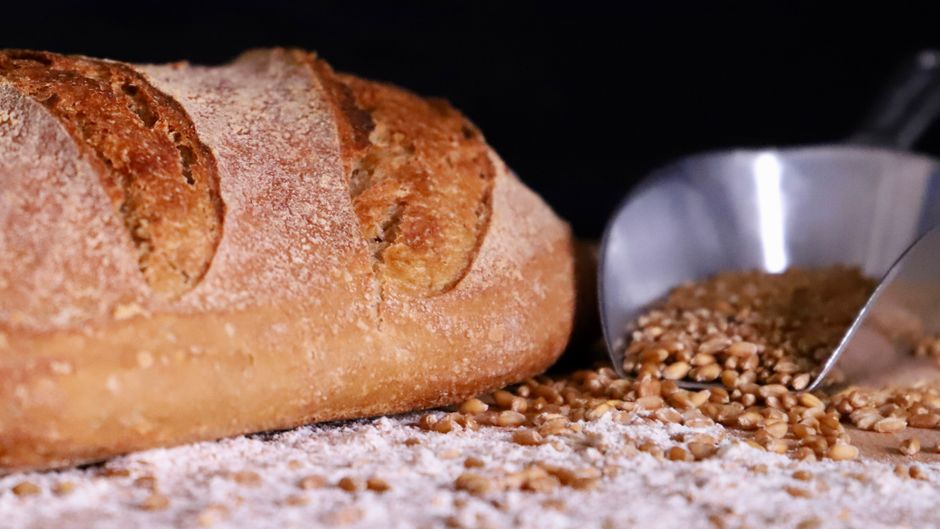
- Rye bread 1 slice (45 g) · 16 g carbs · 89 kcal 36 g per 100 g
- Egg 1 large egg (L) (63 g) · 0.3 g carbs · 85 kcal 0.4 g per 100 g
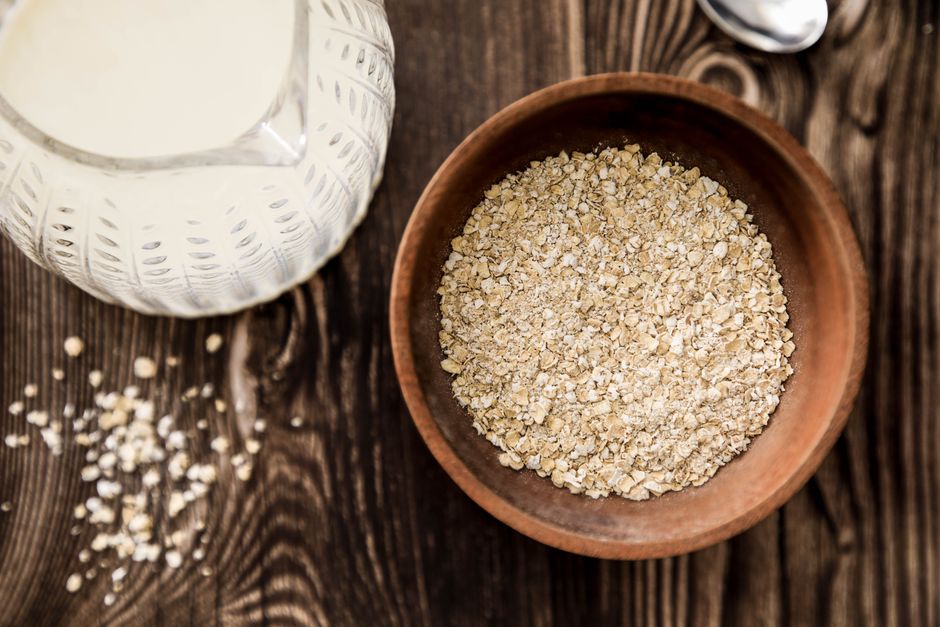
- Rolled oats 1 dl (35 g) · 21 g carbs · 130 kcal 59 g per 100 g
- Pasta (cooked) Portion (150 g) · 40 g carbs · 206 kcal 27 g per 100 g
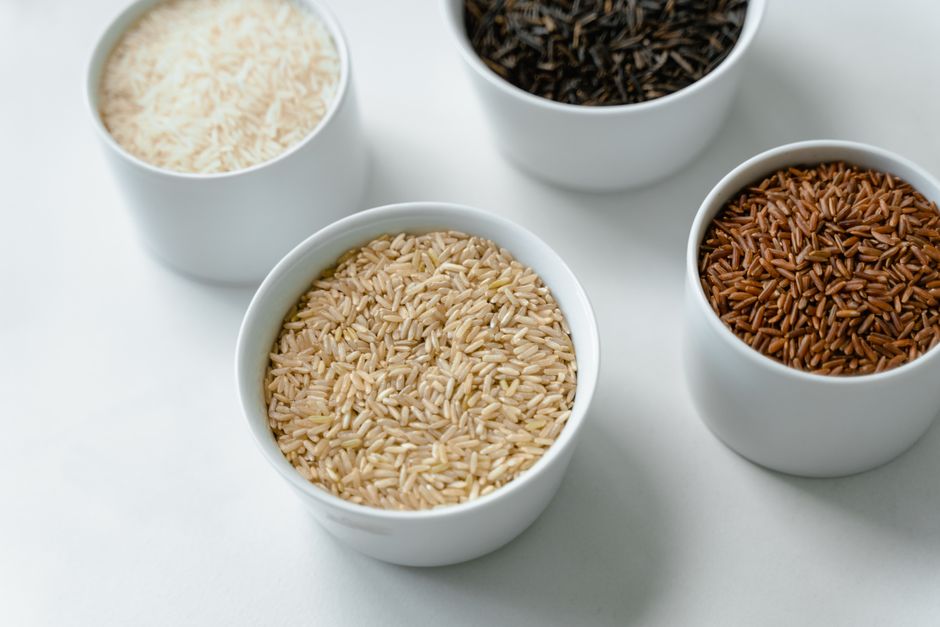
- Rice (cooked) Portion (220 g) · 63 g carbs · 293 kcal 28 g per 100 g
- Potatoes (boiled) Portion (2 potatoes) (125 g) · 22 g carbs · 101 kcal 18 g per 100 g
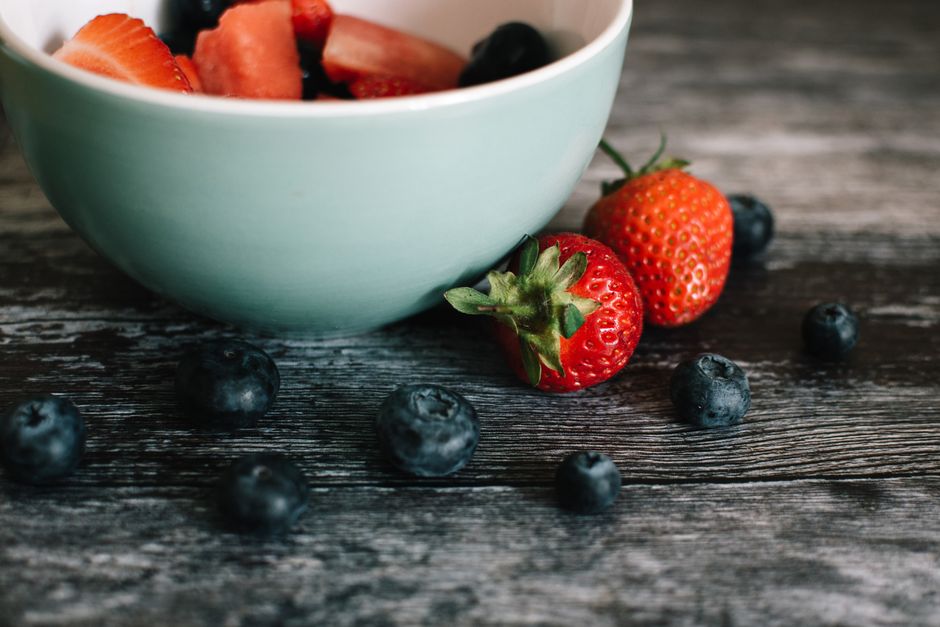
- Banana 1 banana (105 g) · 21 g carbs · 93 kcal 20 g per 100 g
- Apple 1 apple (110 g) · 12 g carbs · 57 kcal 11 g per 100 g
- Cheese (45+) Thick slice (20 g) · 0 g carbs · 66 kcal 0.1 g per 100 g
- Semi-skimmed milk Glass (200 g) · 9.4 g carbs · 95 kcal 4.7 g per 100 g
- Skyr Portion (2 dl) (200 g) · 8 g carbs · 122 kcal 4 g per 100 g
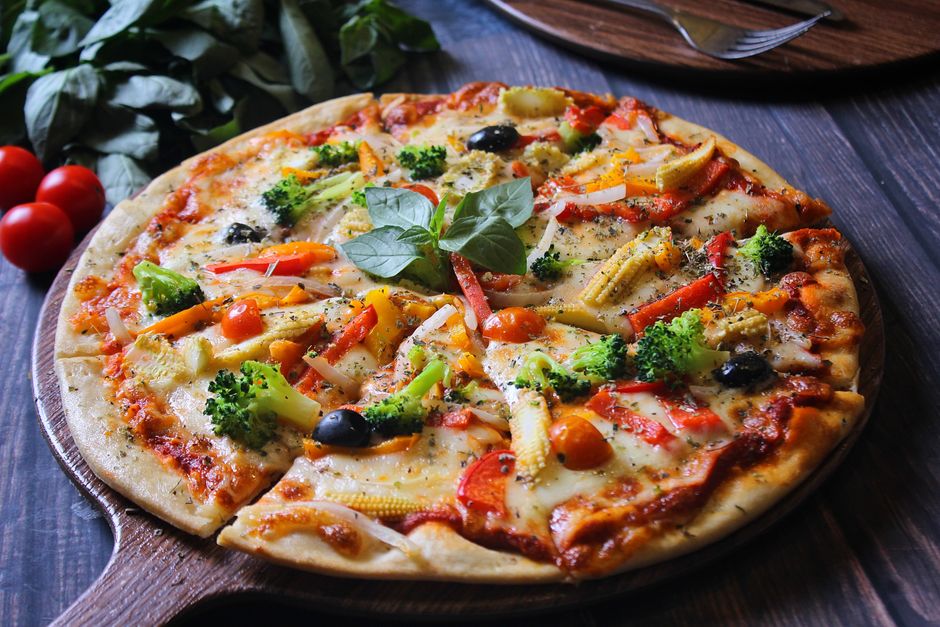
- Pizza Half a pizza (300 g) · 71 g carbs · 568 kcal 24 g per 100 g
How it works
-
1
Search or browse
Type a food or open a category. Every food comes in real portions: a slice, a glass, a can.
-
2
Add to your plate
Press + and the portion lands on the plate at the bottom of the page. Change the amount there.
-
3
Read the total
Carbohydrate, calories and fat-protein units for the whole meal, added up.
Questions
How do I count carbohydrates?
Weigh or estimate the portion, look up the carbohydrate per 100 g, and scale it: 45 g of rye bread at 36 g per 100 g is 16 g. This counter does the arithmetic for you and adds the portions of a meal together on the plate. Fibre is not counted, since it does not raise blood sugar.
Which app can I use to count carbs?
You do not need one for this: the counter works in the browser on any phone, with no account. If you want to point a camera at a plate, a menu or a barcode instead of typing, the Kairi app does that and uses the same arithmetic.
How much carbohydrate should I eat per day?
The Nordic Nutrition Recommendations put carbohydrate at 45–60 % of energy for the general population; for someone with diabetes the right amount is individual and set with their diabetes team. This counter tells you what is in the food, not what you should eat.
What are fat-protein units (FPU)?
One unit per 100 kcal of fat and protein together. About half the protein becomes glucose over the following hours and fat makes the body less responsive to insulin for a while, so a fatty, protein-rich meal raises blood sugar slowly and late. One unit typically means about three hours, two about four, three about five, more than that six or longer (Pańkowska and Błazik, 2010). The Kairi app uses the same rule.
Are calories included?
Yes. Every portion shows kcal beside its carbohydrate, and the plate adds them up, so it works as a calorie counter too.
Where do the numbers come from?
From Frida, the Danish national food composition database published by DTU Fødevareinstituttet. Each food page names the Frida entry, release and fetch date. Search results come from Open Food Facts and Kairi’s own dish catalogue.
Can I use this to work out an insulin dose?
No. This is nutrition information: what a food contains and how long its effect typically lasts. It does not calculate insulin, knows nothing about your ratios, and is not a medical device.
Does it cost anything?
No. It is free, needs no account and carries no ads. It is made by the people behind the Kairi app.
Figures are general nutrition information and do not replace advice from your doctor or dietitian. This page does not calculate insulin and is not a medical device.

Scan the whole meal instead
The Kairi app scans a dish, a menu or a barcode and scores it for your blood sugar, using the same carbohydrate and fat-protein arithmetic as these pages.

Category photos: Nic Wood / Pexels, Victoria Bowers / Pexels, MART PRODUCTION / Pexels, Lisa from Pexels / Pexels, Mustafa Akın / Pexels, Jenna Hamra / Pexels, Cristian Mihaila / Pexels, Vie Studio / Pexels, Ron Lach / Pexels, Shameel mukkath / Pexels