
 Google Play
Food swaps, grocery tips, and nutrition guides for blood pressure, cholesterol, and blood sugar.
Plain-language articles for people managing a real condition, written in the same spirit as the app.

Is agave nectar actually healthier than sugar?
Agave's lower glycemic index is real, but it comes from a fructose load that isn't obviously an upgrade.
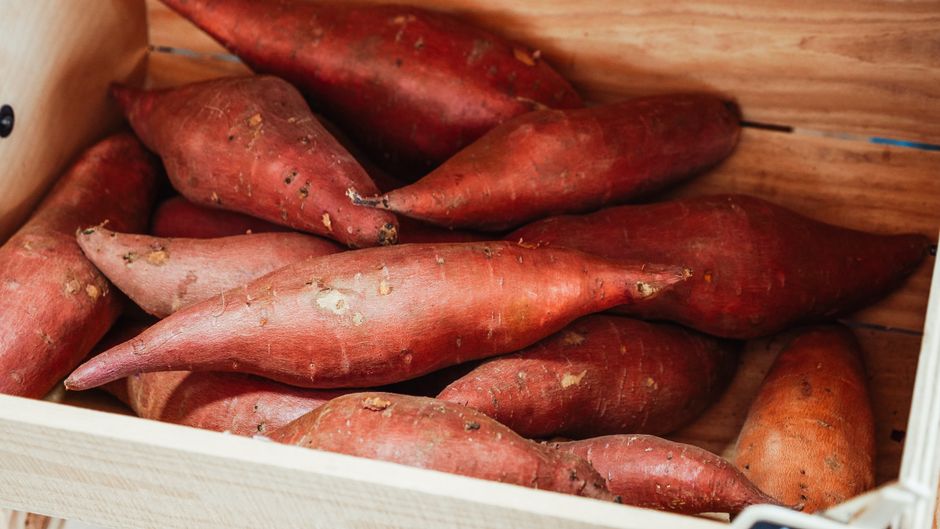
Sweet potato vs. white potato: is one really healthier?
Sweet potatoes win on vitamins and glycemic response, but the topping usually matters more than the potato.
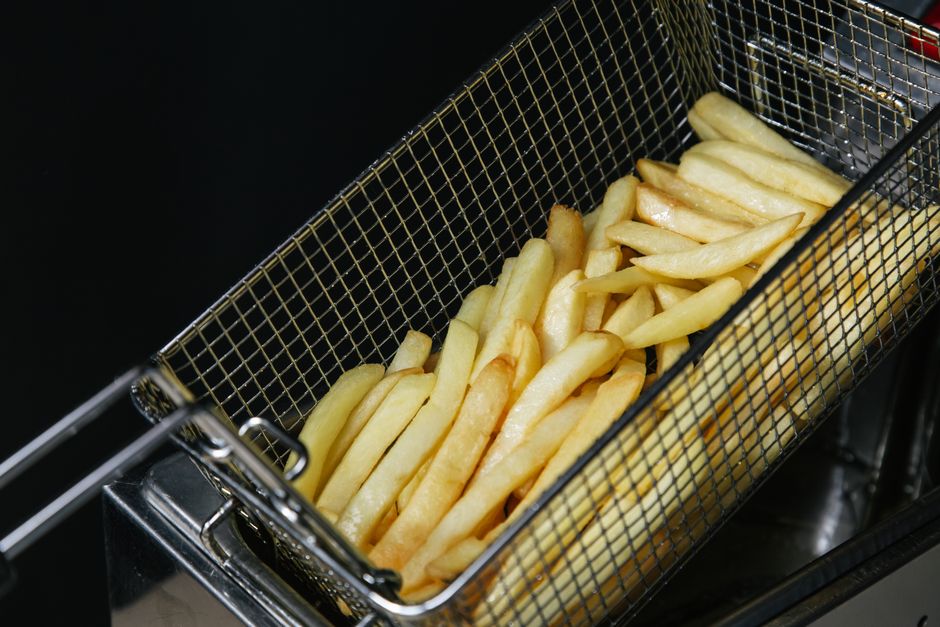
Air frying: does it actually make food healthier?
An air fryer cuts a lot of the added oil out of frying, but it doesn't automatically make every meal that comes out of it healthy.

The DASH diet explained: a beginner's guide to eating for blood pressure
DASH is one of the most studied eating patterns for blood pressure. Here is what it actually asks you to do, without the jargon.

Eating out with high blood pressure: a practical survival guide
Eating out does not have to derail a low-sodium habit. A few planning habits make the biggest difference before you even sit down.

How to stop stress eating, without white-knuckling it
Stress eating isn't a willpower failure — it's a hormonal pull you can work with instead of against.
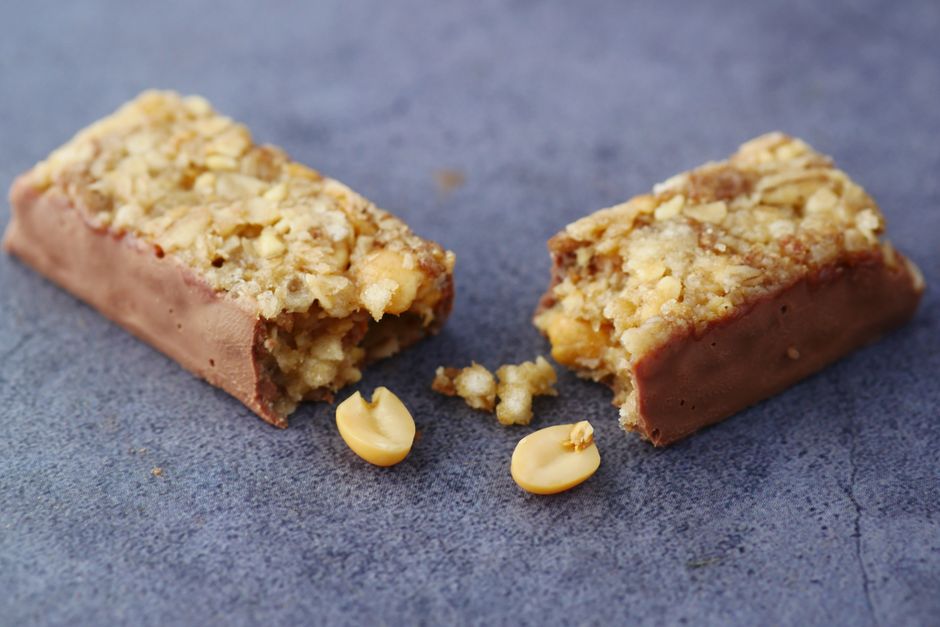
Protein bars: what to actually check before buying one
A big protein number on the wrapper doesn't tell you what's actually holding the bar together.
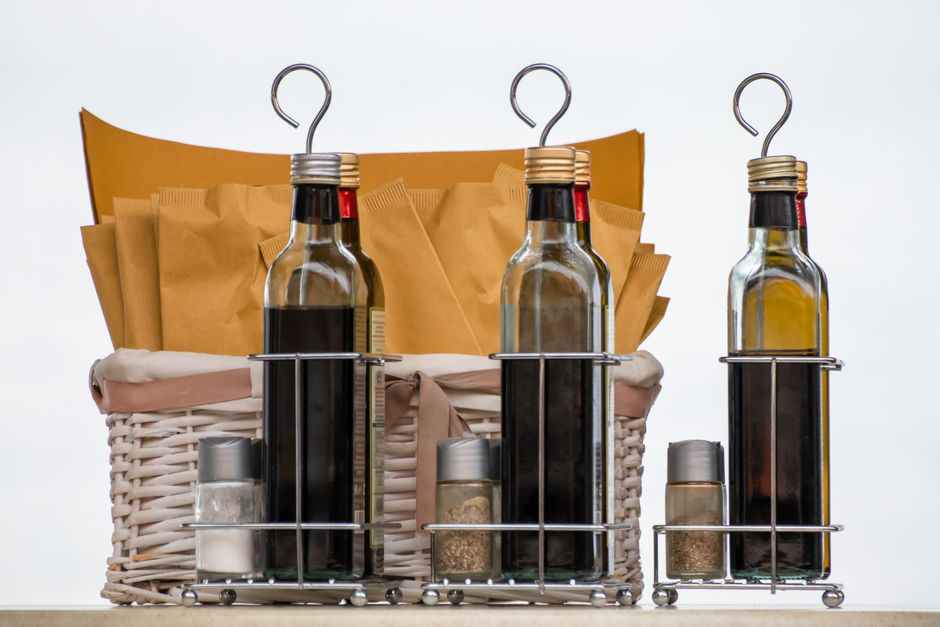
Apple cider vinegar and blood sugar: does the morning shot work?
A vinegar shot before meals has some real evidence behind it, just not the miracle-fix version of the story.
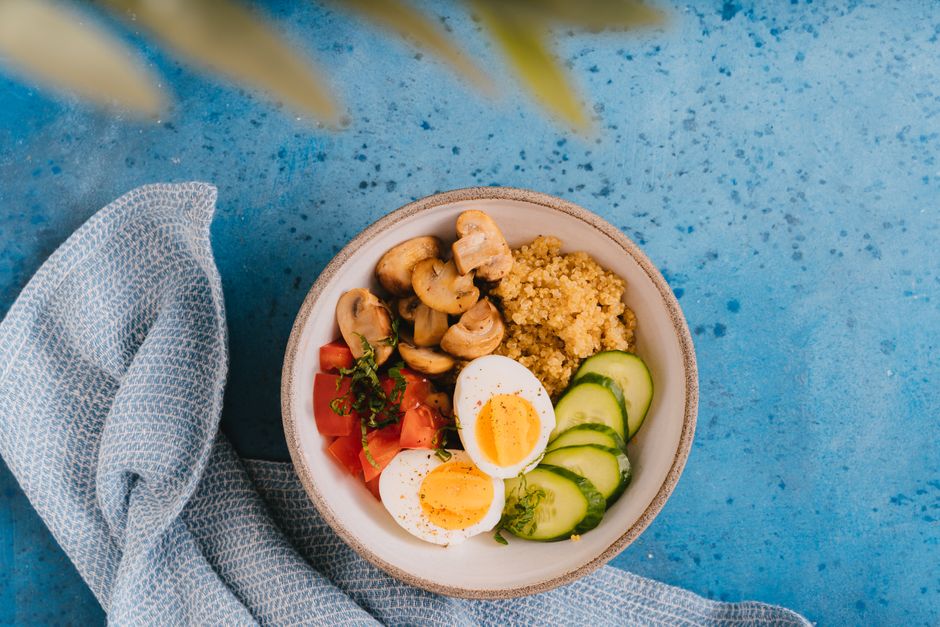
Quinoa vs. rice: which is the better choice?
Quinoa edges out rice on protein and fiber, but the better choice depends on what you're optimizing for.
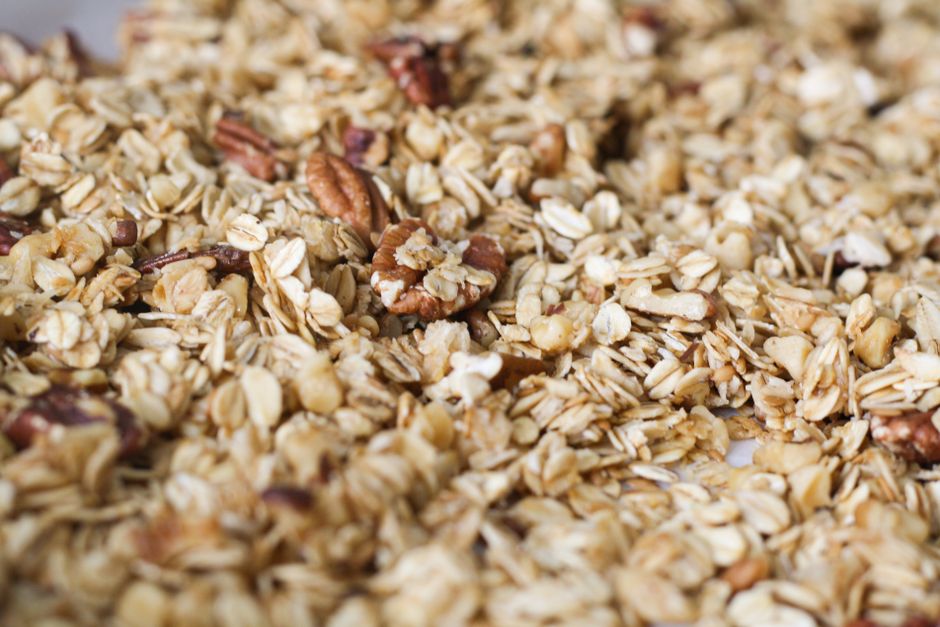
Best foods to help lower cholesterol naturally
Diet will not replace medication when it is needed, but certain foods have real evidence behind them for improving a lipid panel.
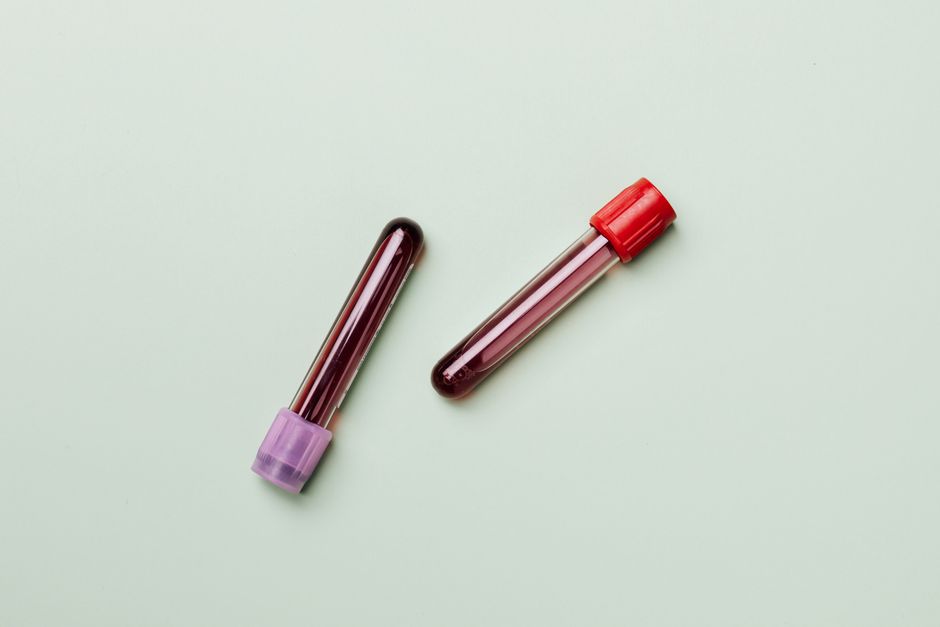
What your LDL and HDL numbers actually mean
A cholesterol panel comes back with a handful of letters and numbers. Here is what each one is actually telling you.

How to read a restaurant menu when you're managing blood pressure
Menus are not written with sodium in mind. Here is how to scan one quickly and still order something you will enjoy.

Net carbs vs. total carbs: what the difference actually means
'Net carbs' is a marketing calculation, not a regulated term, and different manufacturers arrive at it differently.
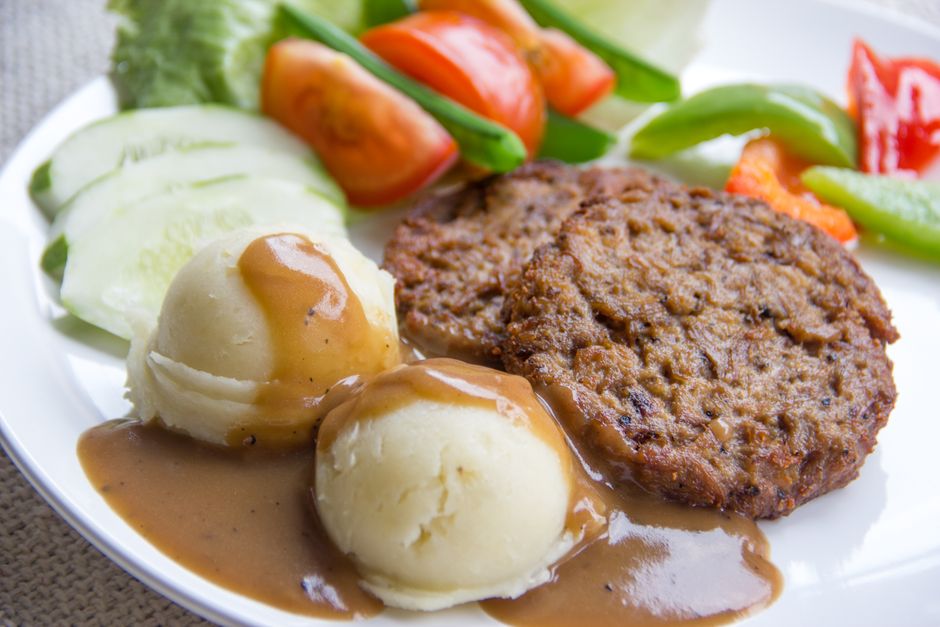
Reading labels on plant-based meat alternatives
Plant-based does not automatically mean lower in sodium or saturated fat. The label tells a more complete story than the packaging claims.
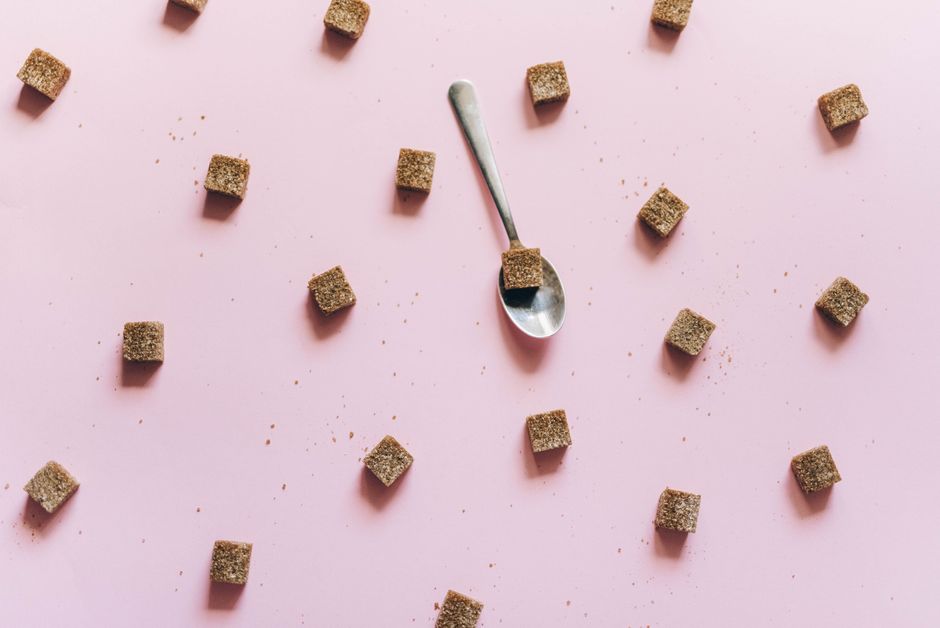
What does 'no added sugar' really mean on a label?
'No added sugar' is a specific, regulated claim, and it does not mean a product has little or no sugar in it.
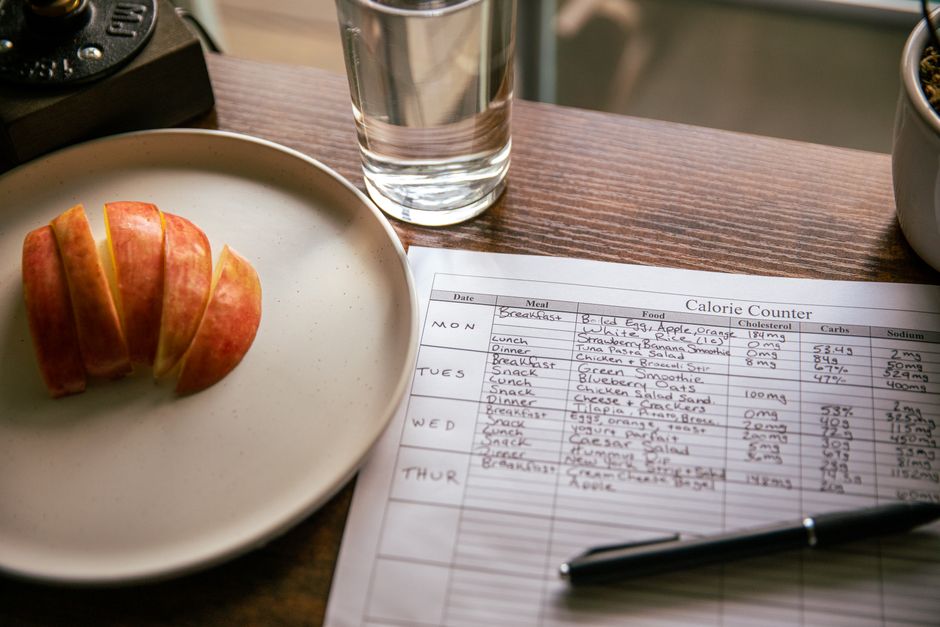
How accurate are the calorie counts on packaging, really?
A calorie count is closer to an informed estimate than a precise measurement, with a legally allowed margin of error built in.

The Nutrition Facts label update: what changed, and why it matters
The most recent Nutrition Facts label overhaul added an Added Sugars line and updated serving sizes, both genuinely useful for tracking.
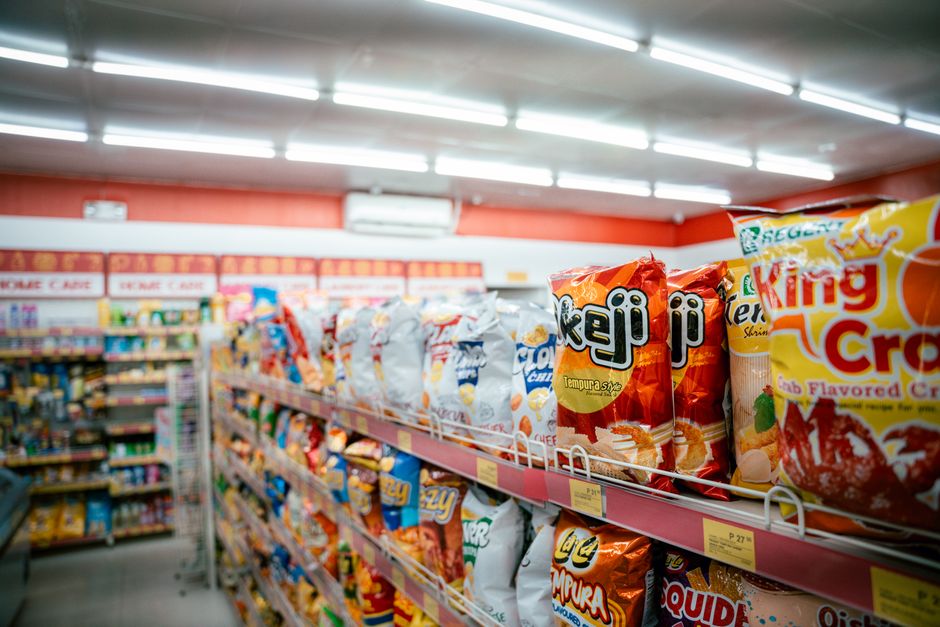
Understanding front-of-package health claims: what's regulated and what isn't
Some front-of-package claims have strict legal definitions behind them; others are marketing language with no formal requirement at all.
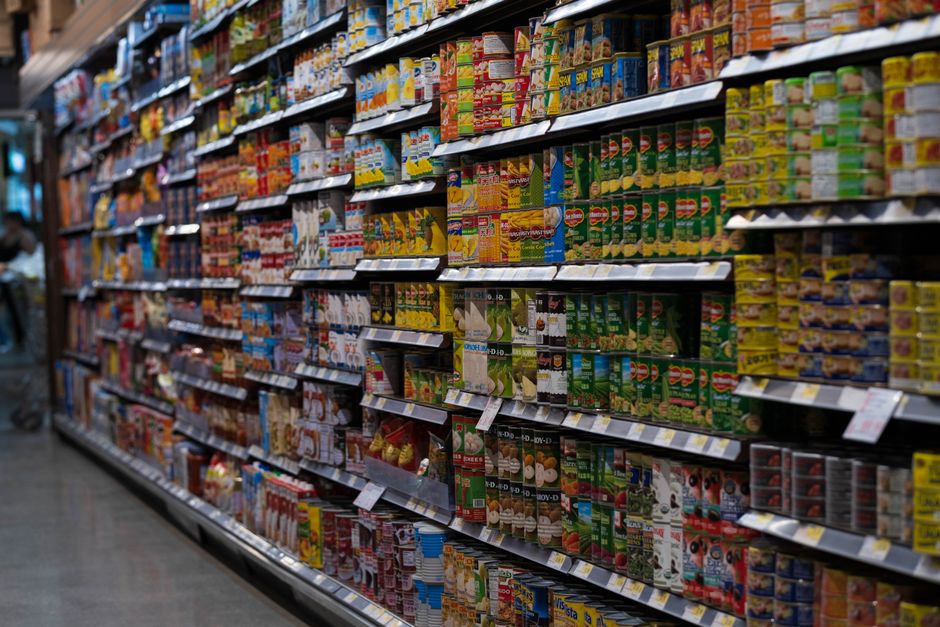
What does 'reduced sodium' actually mean compared to regular?
'Reduced sodium' means at least 25% less than that same product's regular version, not that the product is actually low in sodium.
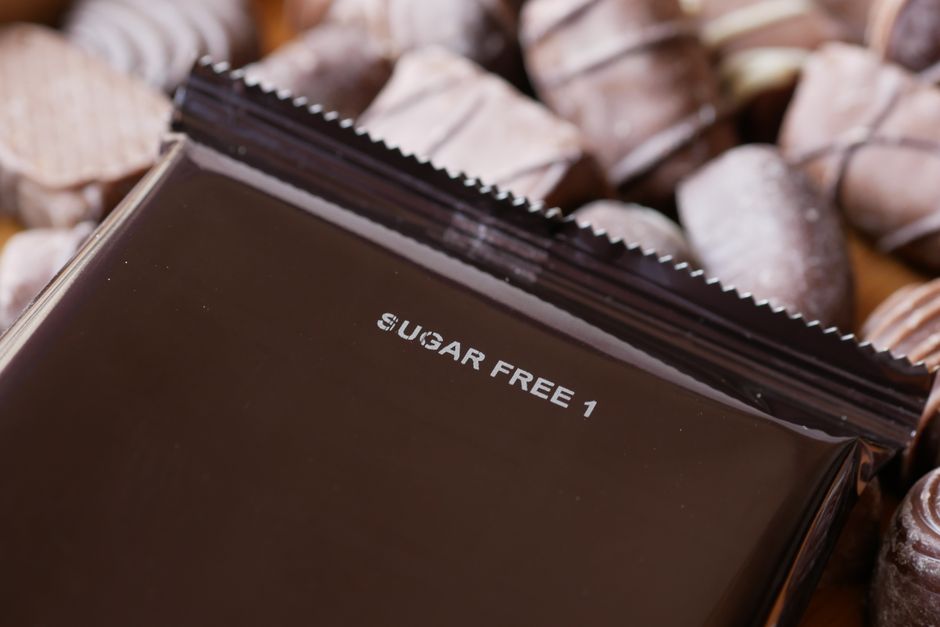
Sugar alcohols explained: erythritol, xylitol, and how they affect blood sugar
Sugar alcohols like erythritol and xylitol generally affect blood sugar less than regular sugar, but the effect varies more by type than most labels let on.

Expiration date vs. best-by date: what they actually mean
Most date labels on food are about peak quality, not safety, and the difference costs households real money.

How to read a food label in under 10 seconds
You don't need to study every line on a nutrition label — four quick checks cover most of what matters in under 10 seconds.
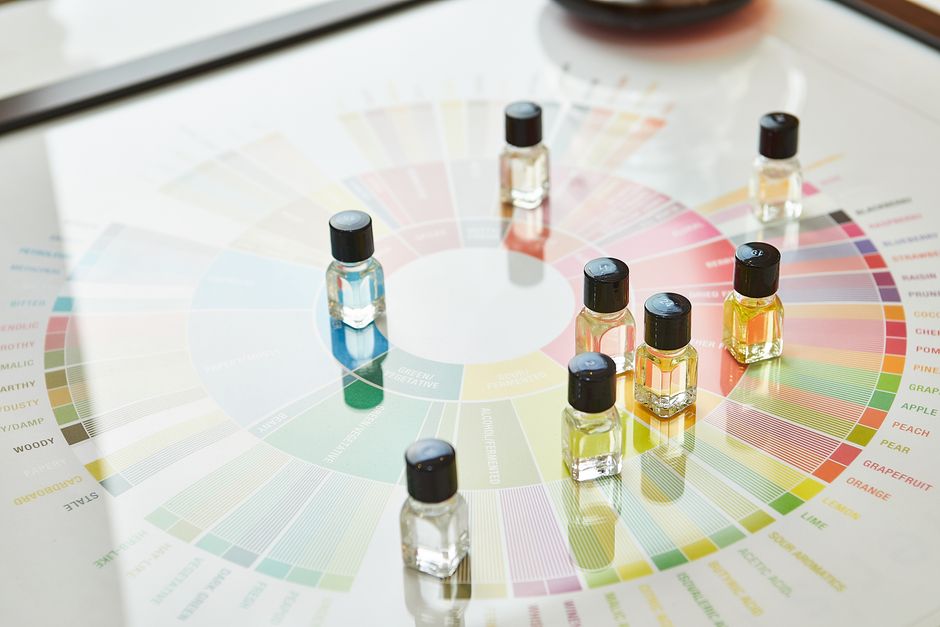
What does 'natural flavors' actually mean on an ingredient list?
'Natural flavors' refers to where a flavor compound came from, not how simple or minimally processed it is.
Low sodium, very low sodium, sodium free: what the label claims actually mean
These phrases are tied to specific thresholds, not marketing adjectives.
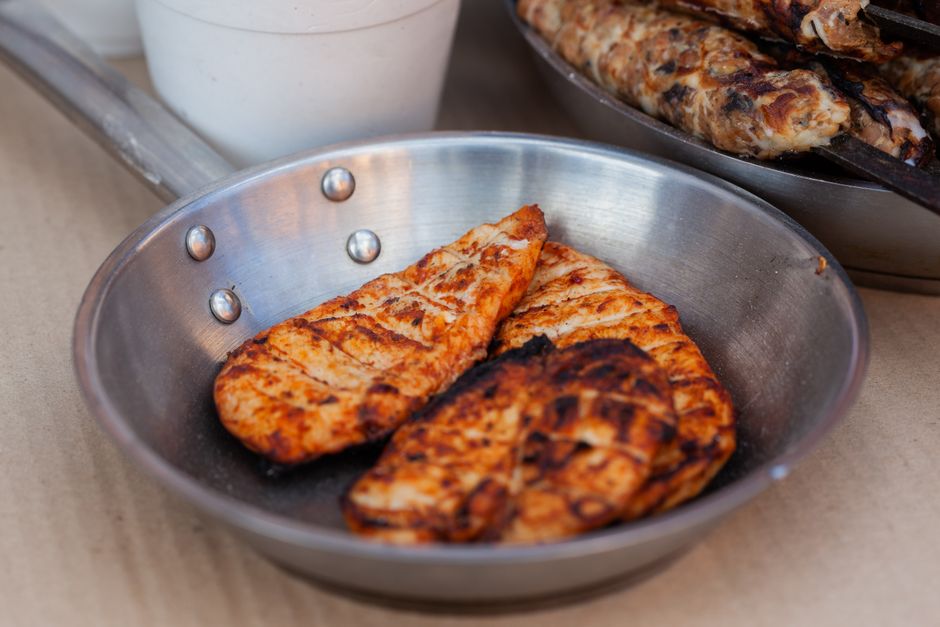
'High protein' on a label: what it actually has to contain
A 'high protein' claim is tied to a percentage of your daily value, and it isn't always the number you'd guess.
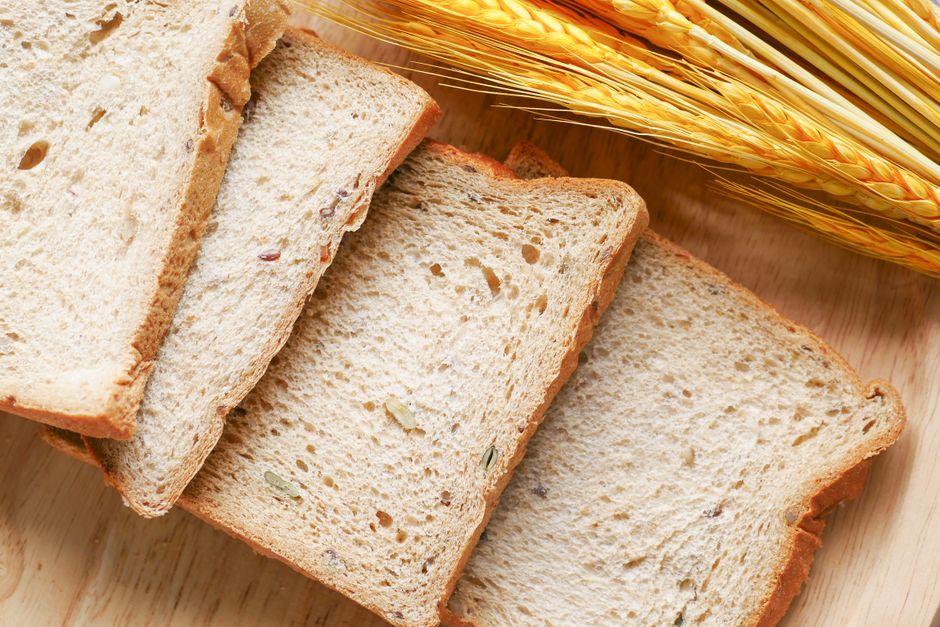
'Made with whole grains' vs. 100% whole grain: the difference that matters
A single whole grain, even a tiny amount of one, is enough to legally justify the phrase 'made with whole grains.'
Aspartame, sucralose, and stevia: how the common sweeteners compare
Three very different sweeteners, three different reputations, and mostly the same practical bottom line.

What does a 'Non-GMO' label actually mean?
A Non-GMO label tells you about a plant's DNA, not about how healthy the product is.
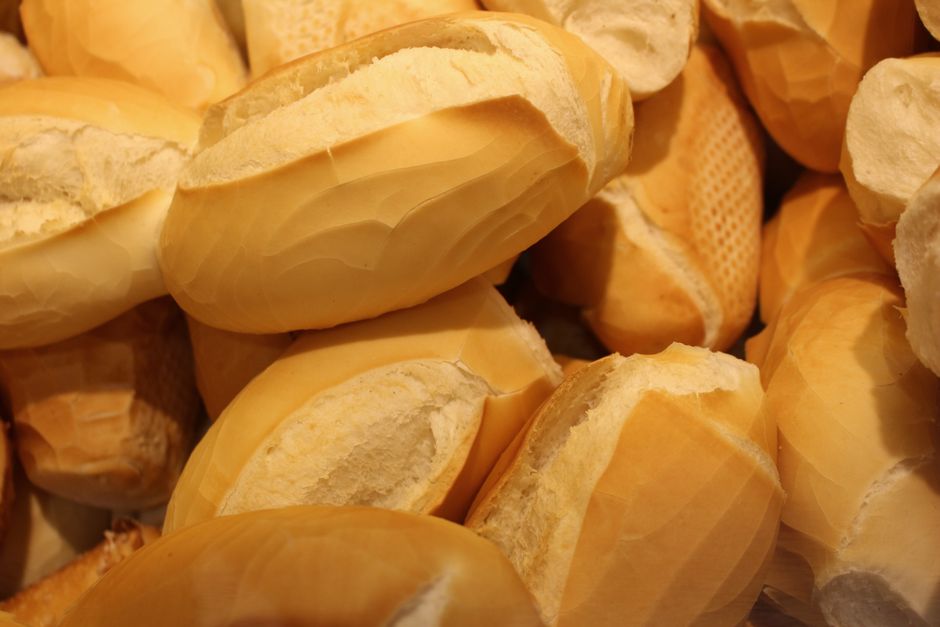
Fortified vs. enriched: what the difference actually means
One term means nutrients were added back in; the other means nutrients were added that weren't there to begin with.
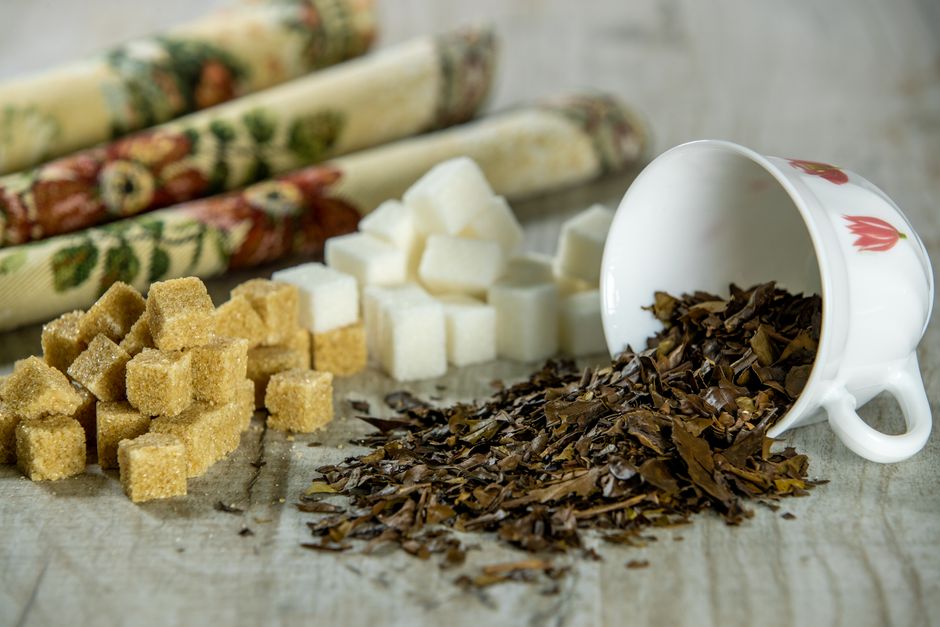
Stevia vs. sugar: what changes when you switch?
Stevia drops the calories and the blood sugar spike, but it doesn't rewrite the rest of your diet for you.

Monk fruit sweetener explained: is it actually better?
Monk fruit skips the blood sugar spike, same as stevia, but the tabletop version is rarely pure monk fruit.

Does cutting salt completely eliminate high blood pressure?
Sodium is one of the most talked-about levers for blood pressure, but 'cut all salt' is not quite the same as 'fix the problem.'

Blood pressure medication and food: general interactions worth knowing
A handful of everyday foods and supplements can interact with common blood pressure medications, and knowing the general categories is worth a conversation with your pharmacist.
Hydration and blood pressure: does water intake actually matter?
Water intake has a real, if modest, relationship with blood pressure, and dehydration can distort a reading in ways worth knowing about.
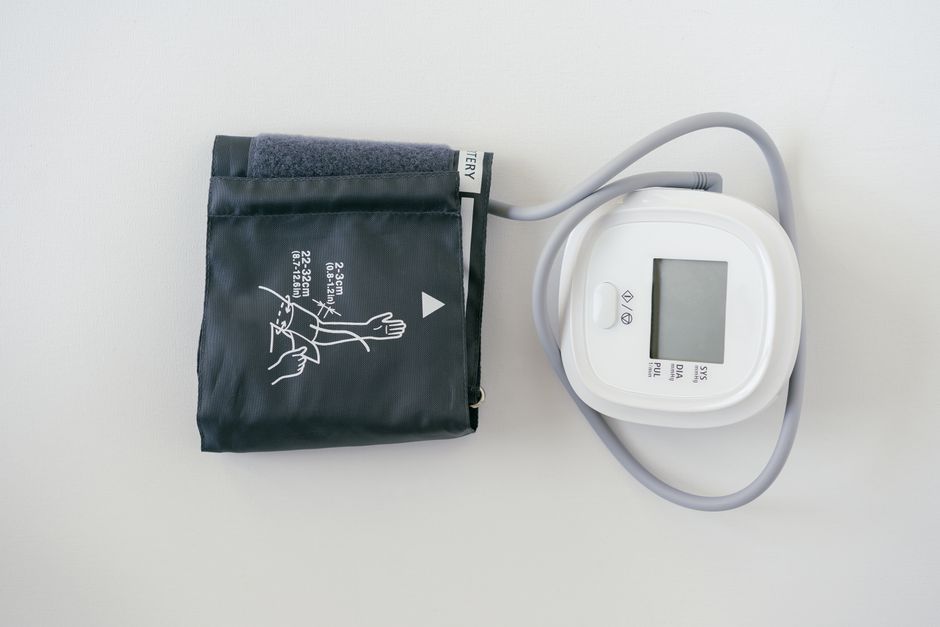
Can you reverse high blood pressure with diet alone?
Diet can meaningfully improve blood pressure for a lot of people, but 'reverse' and 'cure' are not quite the same thing.

What is orthostatic hypotension, and why it happens
That head rush when you stand up too fast has a name and a mechanism. Here is what's actually going on.

What actually happens during a blood pressure check
A blood pressure check looks simple, but a handful of small details behind it can change the number that shows up on the printout.

When high blood pressure has an underlying cause: secondary hypertension
Most high blood pressure doesn't have a single cause, but sometimes it does. Here is what that smaller category looks like.
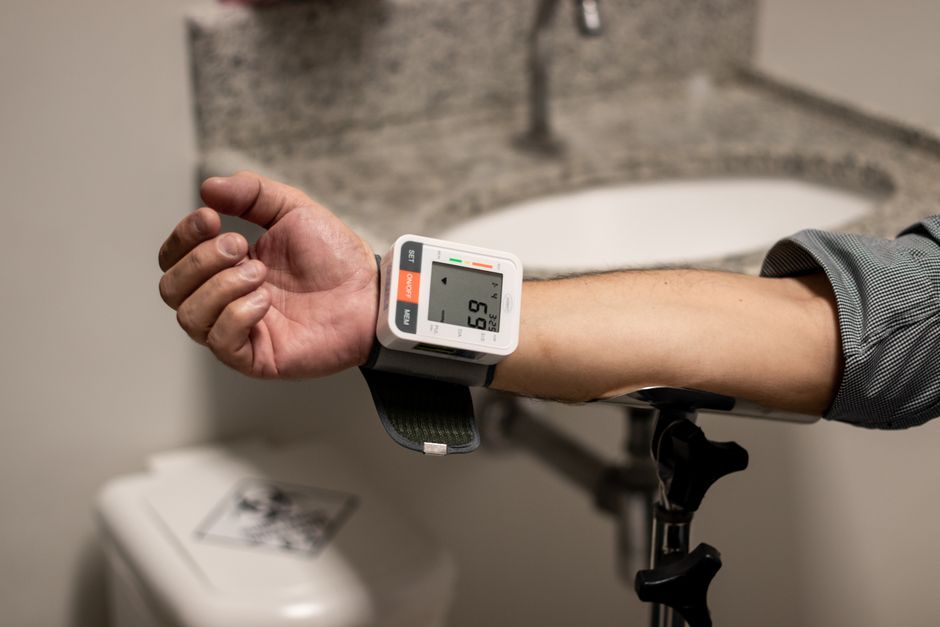
The keto diet and blood pressure: the short-term vs. long-term picture
Keto often drops blood pressure fast in week one, mostly from water loss, then the picture gets more complicated.
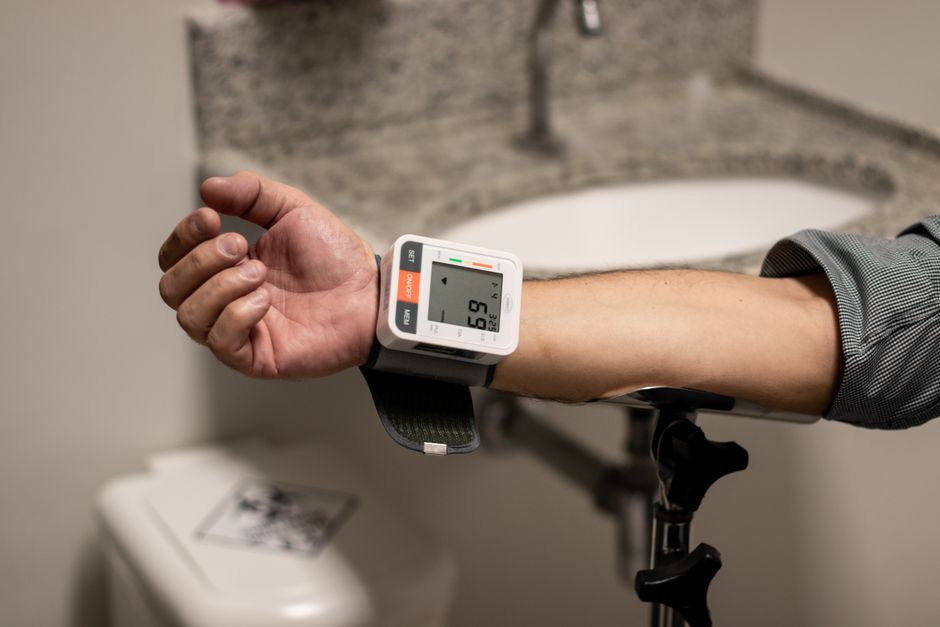
Understanding blood pressure categories: normal, elevated, and hypertensive crisis
A quick guide to the general categories doctors use to talk about blood pressure readings, and why one number is never the whole story.

What is pulse pressure, and does it matter?
Pulse pressure is the quiet third number hiding in every blood pressure reading. Here is what it is and why it occasionally comes up.

White coat hypertension: why your home readings might differ from the doctor's office
Some people show high blood pressure only at the doctor's office. Here is why that happens and what it does and doesn't mean.

How stress affects blood pressure (and what food can and can't fix)
Stress and blood pressure are clearly linked, but the relationship is more nuanced than 'stress causes hypertension.' Here is what the evidence suggests.

How much weight loss actually improves blood pressure?
Weight loss is one of the most consistently cited ways to lower blood pressure, but the actual numbers behind that advice are rarely spelled out.
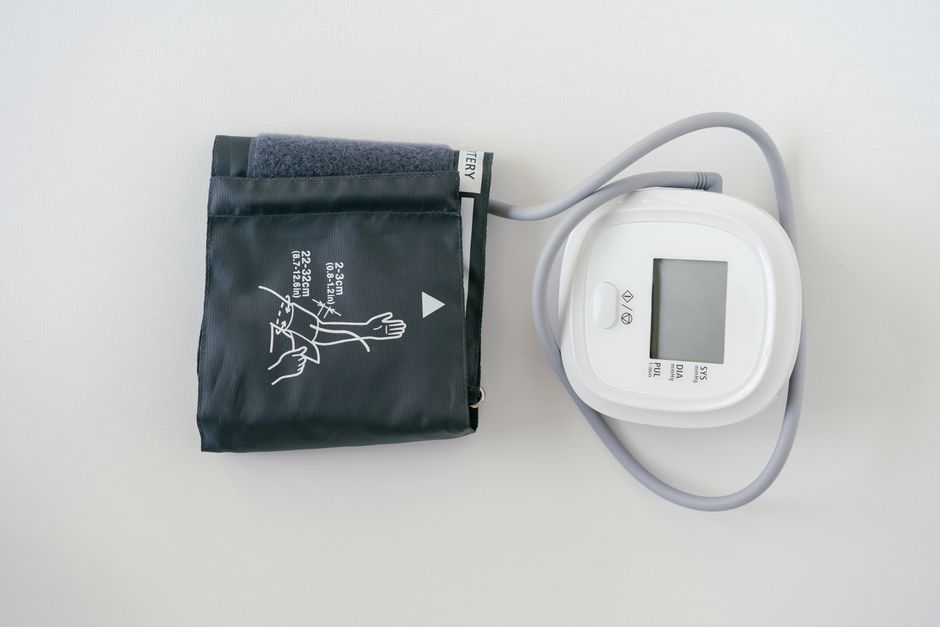
Understanding blood pressure readings: what the two numbers mean
A blood pressure reading is really two separate measurements. Here is what each one means and what commonly counts as a normal range.
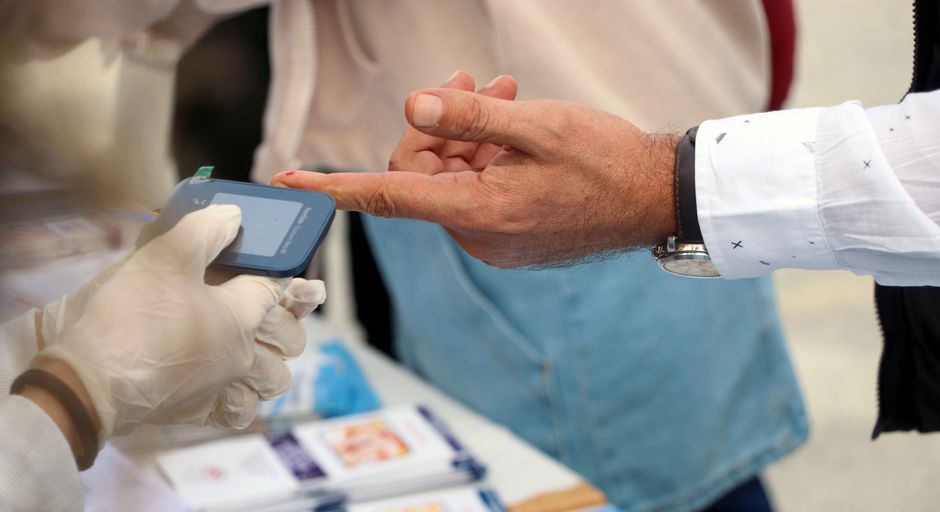
Does meal timing actually affect blood sugar?
When you eat can shift how high your blood sugar rises, sometimes as much as what you eat.
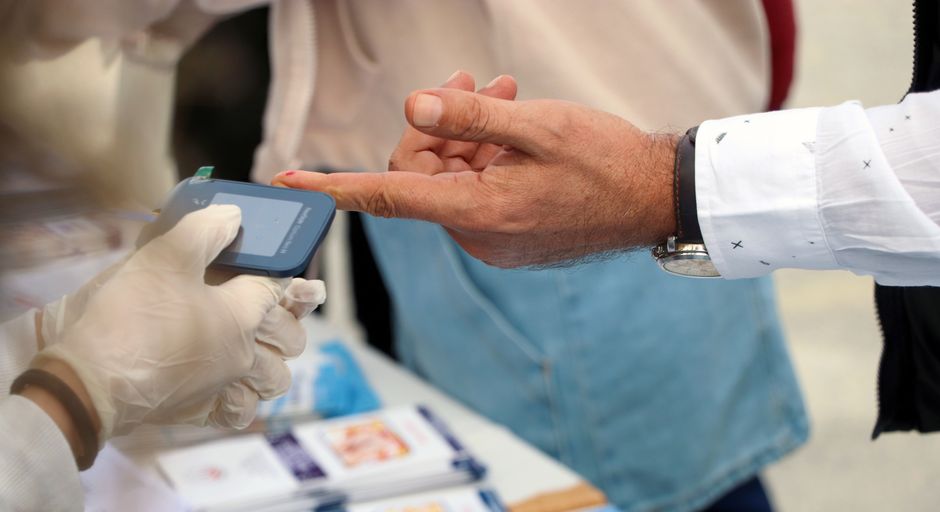
A1C vs. fasting glucose: what each test actually measures
Two common blood sugar tests, one measures a moment and the other measures a trend. Here is the difference.
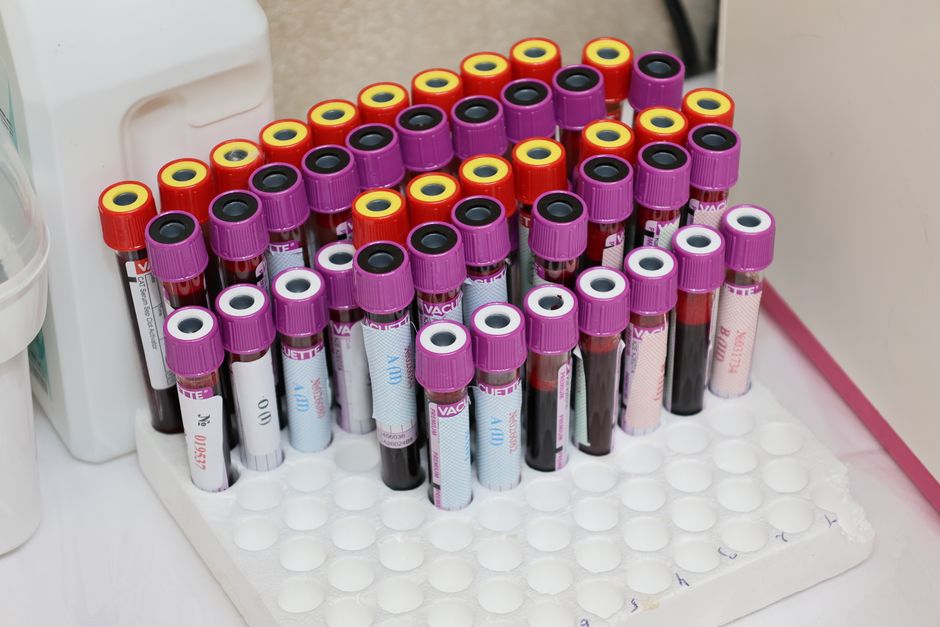
Understanding your A1C: what the number means and how food affects it
A1C summarizes months of blood sugar into one number. Here is what it actually measures and how food fits into that picture.

Prediabetes diet: first steps after a new diagnosis
A prediabetes diagnosis can feel like a lot to take in at once. Here are a handful of manageable first steps, not a total overhaul.
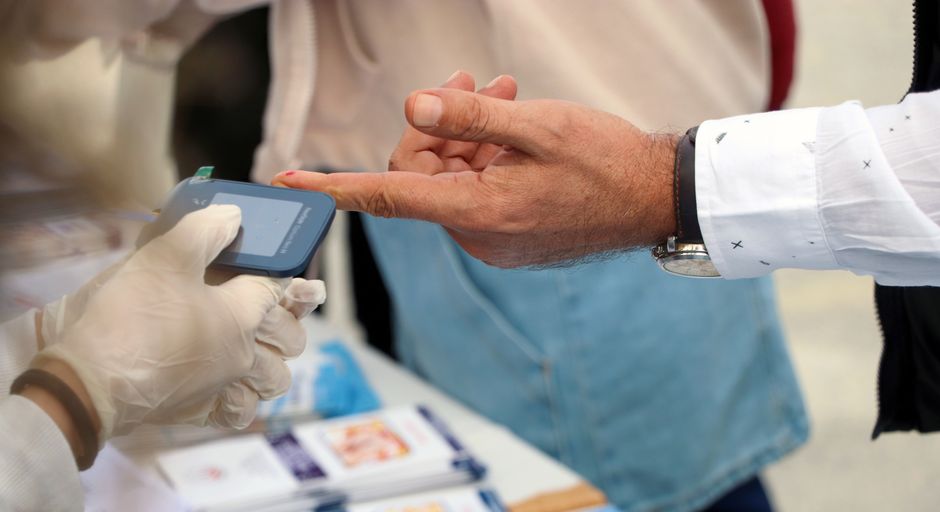
Insulin resistance explained in plain language
Insulin resistance gets mentioned constantly around blood sugar, but the mechanism behind it is rarely explained simply. Here it is.
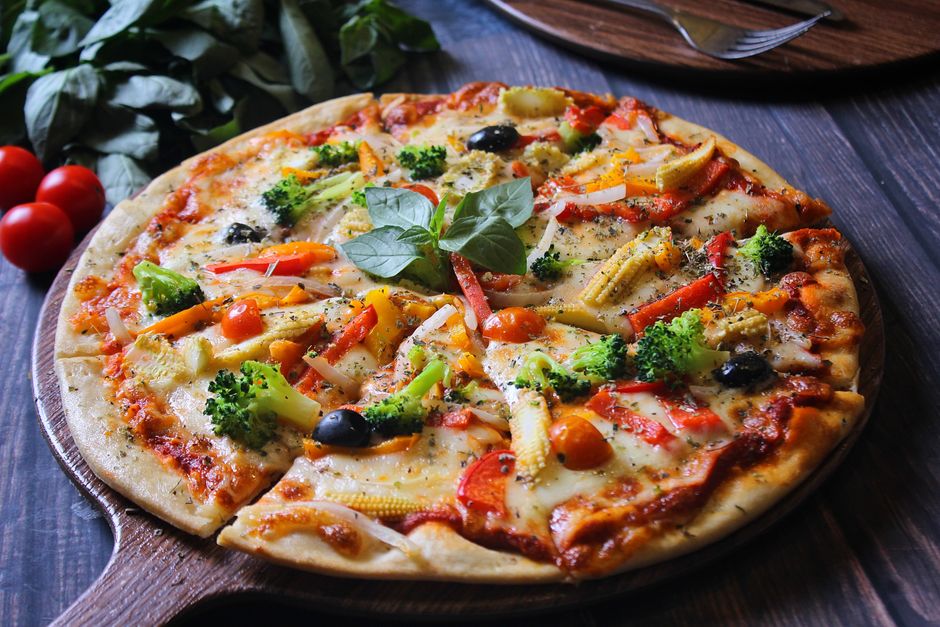
Healthier swaps for pizza
Pizza night does not have to be all-or-nothing. Here are practical ways to make any slice a little better for your goals.
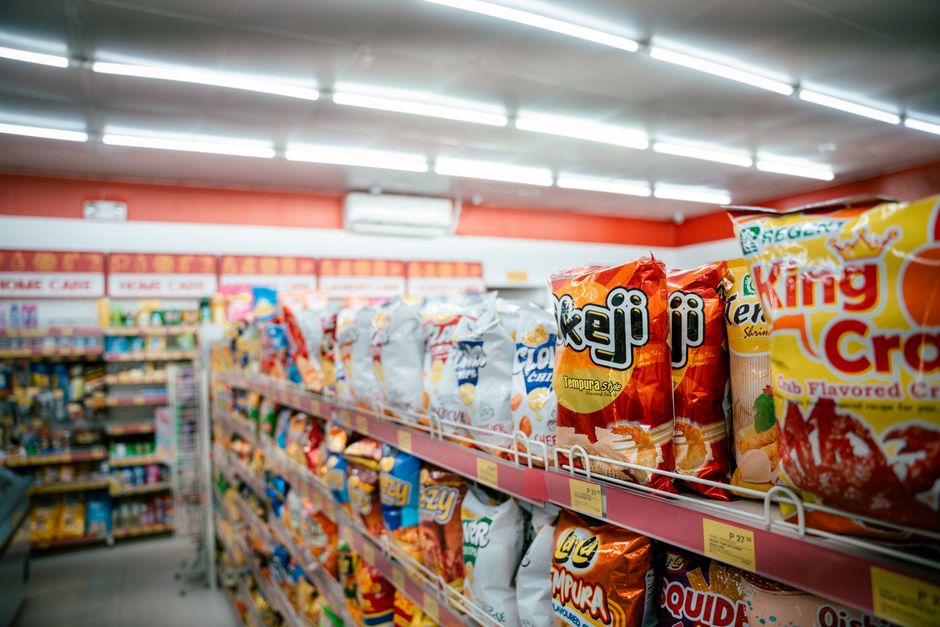
How to choose better snacks at the grocery store
The snack aisle is built to be confusing. A few simple habits make it much easier to walk out with something you feel good about.

What makes a meal high in sodium?
Sodium adds up from more places than the salt shaker. Here is where it usually comes from, and what tends to move the number the most.

Simple food swaps for better everyday eating
You do not need a meal plan overhaul. A handful of small, repeatable swaps usually does more than a strict new set of rules.
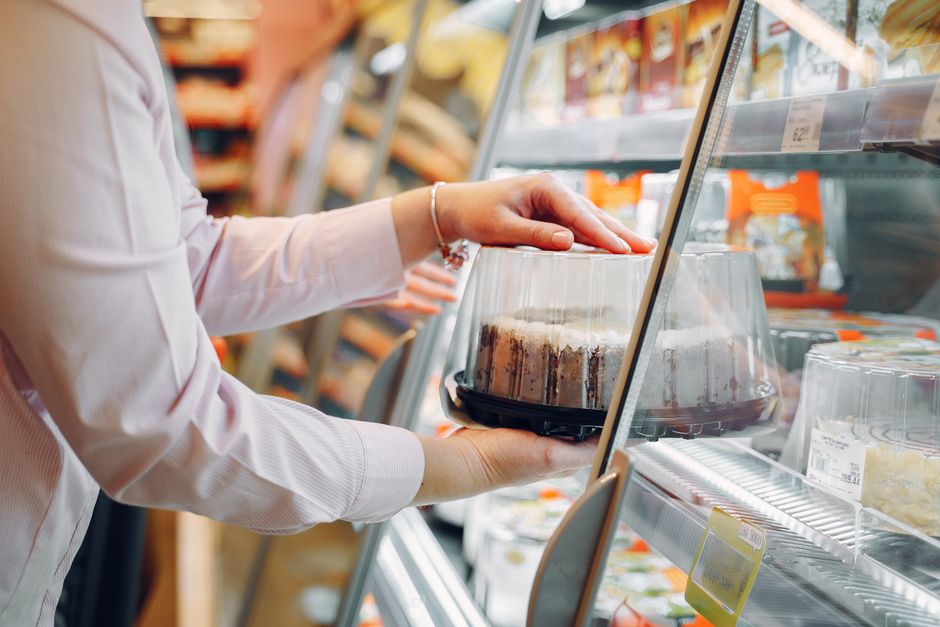
How to compare packaged food products
Two products that look almost identical on the shelf can be meaningfully different once you know where to look.
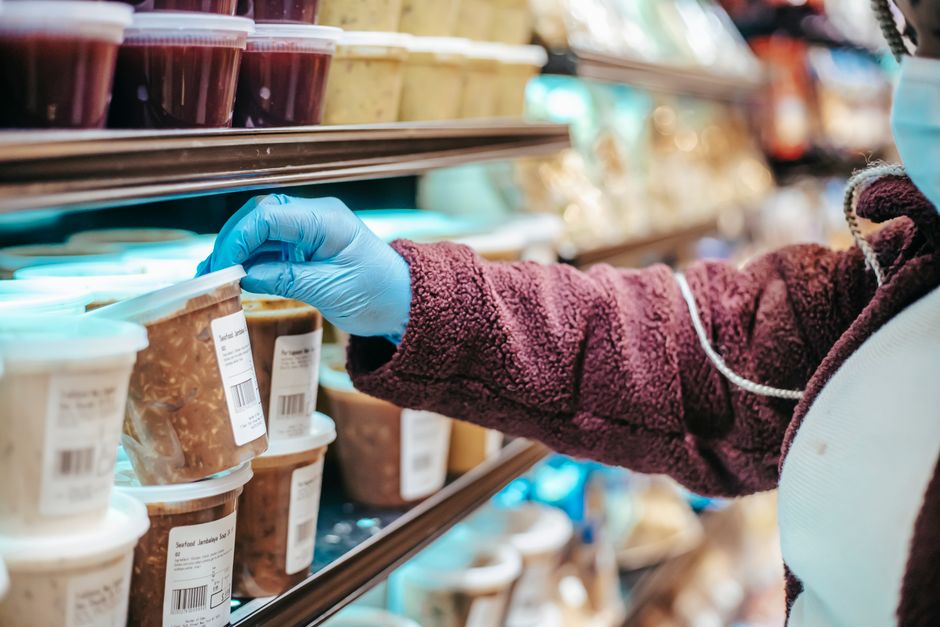
Why nutrition labels can be confusing
Serving sizes, percent daily values, and hidden sugars all play a part. Here is what tends to trip people up, and why.
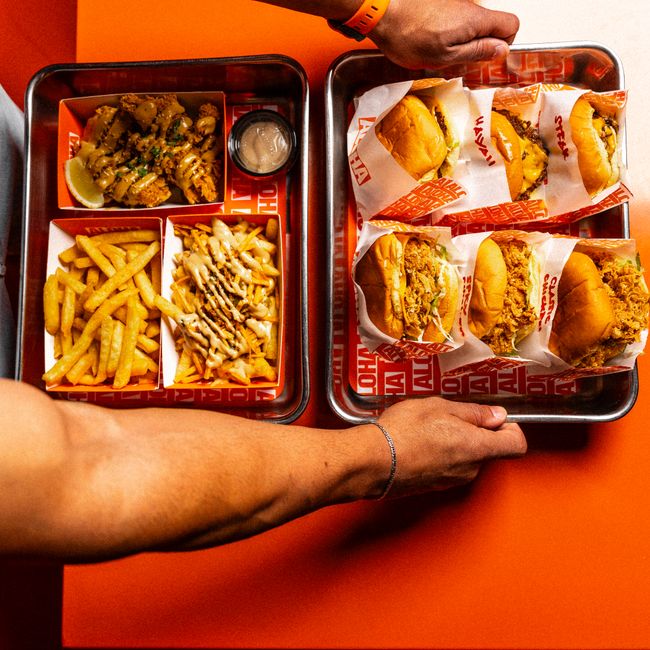
How to make fast food choices a little healthier
Fast food does not have to be off the table. A few ordering habits make a real difference without slowing down the drive-through line.