
 Google Play
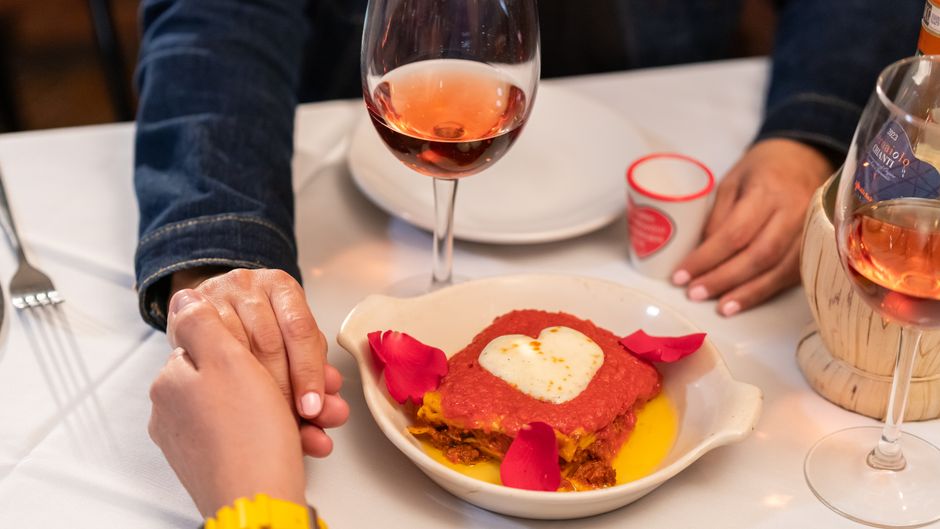
Eating out with high blood pressure does not have to mean skipping restaurants or ordering the blandest thing on the menu every time. Most of the useful strategy happens before you even open the menu, and a little cuisine-specific knowledge goes further than a generic rule like "avoid salt."
Plan before you look at the menu
If you know where you are eating in advance, a quick look at the menu online, before you arrive hungry, gives you time to make a calmer decision instead of reacting to whatever smells best in the room. Eating a small, protein-forward snack beforehand also helps: arriving very hungry tends to lead to larger portions and less willingness to ask for changes to a dish.
Cuisine-by-cuisine notes
- Japanese and Chinese: soy sauce, miso, and many sauces are sodium-dense; asking for sauce on the side or using it sparingly makes a bigger difference here than almost any other single change.
- Italian: cured meats, aged cheese, and canned tomato-based sauces (sometimes salted for shelf life) tend to be the sodium hot spots; a simple olive-oil-and-garlic preparation usually runs lower than a rich cream or cheese sauce.
- Mexican: watch for cheese-heavy and queso-based dishes along with pre-salted rice and beans; fresh salsa and grilled proteins tend to run lower than fried options with heavy cheese toppings.
- American diner and fast-casual: cured breakfast meats like bacon and sausage, along with pre-seasoned fries, are common sodium sources; a simpler egg-based order with fruit on the side is an easy swap.
- Indian: curries can vary widely; simpler tandoori-style preparations tend to run lower in sodium than rich, sauce-heavy curries, though flavor does not have to be sacrificed either way.
Portion and sharing strategies
Restaurant portions are frequently sized for more than one sitting, and a larger portion of a sodium-heavy dish simply means more total sodium, regardless of how healthy any individual ingredient is. Splitting an entree, boxing up half before you start eating rather than after, or ordering an appetizer-sized portion as your main dish are all simple ways to manage total intake without changing what you actually order.
Drinks and dessert
Sodium is not the only thing worth watching at a restaurant meal. Cocktails and sugary drinks add calories and, in the case of alcohol, can affect blood pressure and triglycerides in their own right. Choosing water, unsweetened tea, or a single drink instead of multiple rounds is one of the simplest adjustments in this entire guide, and dessert, when you want it, is often better shared than ordered as an individual portion.
Special occasions and social pressure
A birthday dinner or holiday meal is not the moment to apply every strategy in this guide, and trying to can make the occasion feel more stressful than the food itself ever would. It is enough to make one or two reasonable choices, like a lighter drink order or skipping the bread basket, and let the rest of the meal be what it is. You are also allowed to decline a dish, ask for a modification, or eat a smaller portion without offering a medical explanation — a brief, calm response is a complete answer, and most people at the table are far less focused on your plate than it can feel like in the moment.
One meal does not undo a good week
A single higher-sodium restaurant meal will not undo weeks of otherwise consistent habits, and treating one meal that way tends to create more anxiety around eating out than it prevents. The goal of a guide like this is a handful of habits that lower your average over time, not a perfect record at every single restaurant visit.
If a restaurant meal does run high in sodium, the most useful response is simply returning to your normal pattern at the next meal rather than trying to "make up for it" by skipping food or overcorrecting later, since neither actually reverses the earlier meal and both can create a more difficult relationship with eating out over time. Blood pressure responds to your overall pattern across weeks, and one meal is a small part of that pattern either way.
If you check blood pressure at home, it is worth expecting a temporarily higher reading the day after a notably salty meal, and not reading too much into that single number. It typically settles back within a couple of days as your body clears the extra sodium and fluid, and a pattern of readings over the following week is a far better guide to your actual trend than any single post-meal measurement.
The same logic applies to weight if you happen to check it the morning after: a salty meal can show up as a pound or two of temporary water weight rather than actual fat gain, and reacting to that number by skipping meals or overexercising the next day tends to do more harm than the original meal ever did. Give it a few days to settle before drawing any conclusion from either number.