
The usual lineup and its sodium
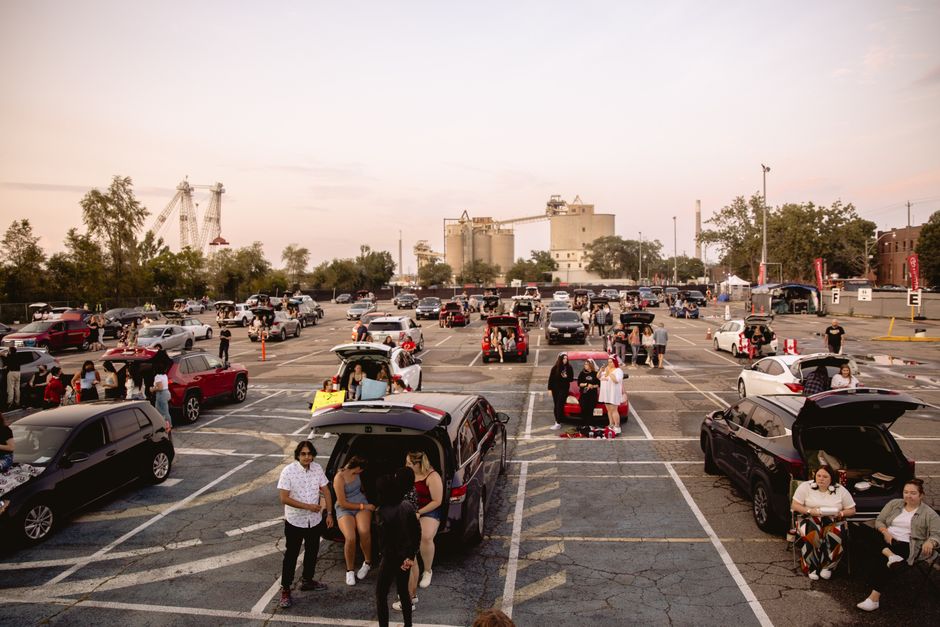
Tailgate food is a sodium and processed-meat convention by design — hot dogs, chips, nacho cheese, and beer all stack in the same direction. None of that means skip the tailgate; it means knowing where the heaviest hitters are before you start filling a plate. Processed meats like hot dogs and sausage are typically cured with sodium as part of preservation, which puts a single hot dog well above what a similarly sized portion of grilled chicken or a plain burger patty contains, independent of any toppings added afterward.
Swaps that still taste like game day
- Grilled chicken or a plain burger over hot dogs and sausage, which run notably higher in sodium per serving.
- Salsa or guacamole over nacho cheese and heavy dips.
- Your own trail mix or pretzels alongside the chip bowl, so you have a lower-sodium option without asking the host to change anything.
One-plate strategy for a long afternoon
Tailgates run for hours, and grazing the whole time makes portions hard to track. Build one real plate early, eat it deliberately, then treat anything after as a genuine second helping instead of a continuous background snack. Setting a mental marker — "I'll eat my real plate, then wait thirty minutes before deciding on more" — helps separate genuine hunger from the kind of automatic grazing that a long, food-surrounded afternoon tends to produce.
Beer, alcohol, and hydration
Alcohol is worth tracking separately from food at a tailgate, since a long afternoon of drinking adds up in calories and can raise blood pressure temporarily on its own, independent of anything eaten alongside it. Alcohol is also a mild diuretic, which compounds with a hot parking lot and hours outdoors to make dehydration more likely than people usually expect. Alternating a glass of water between drinks is a simple habit that helps on both fronts — it slows the pace of drinking and keeps hydration from falling as far behind.
Bring something yourself
Showing up with one dish you know the ingredients of guarantees at least one solid option on the table, and nobody at a tailgate has ever complained about more food. A cooler of water or seltzer next to the beer also does more for how you feel the next morning than any food swap on this list.
The day after a tailgate
One heavy day of food and drink, even a genuinely indulgent one, is not something to spend the following week correcting for through skipped meals or extreme restriction. The far more reliable response is simply returning to your normal pattern at the very next meal — a single tailgate Saturday has a small enough effect on a month-long average that trying to aggressively "make up for it" usually does more harm to the pattern than the tailgate itself did.
Weather and outdoor tailgate conditions
Tailgates happen outdoors, often in heat, cold, or direct sun for hours at a stretch, and that environmental load interacts with food and drink choices more than people usually account for. Heat increases fluid loss well beyond what thirst alone signals, which is part of why alcohol and salty food hit harder at an outdoor tailgate than the same items would at an indoor gathering. Packing extra water specifically for hot-weather games, and treating shade or a short break out of direct sun as part of the plan rather than an afterthought, matters as much as any individual food swap discussed above.
Cold-weather games shift the picture too
Cold-weather tailgates flip the usual concern: instead of overheating and dehydration, the pull toward heavier, saltier comfort food gets stronger, and hot drinks like cocoa or mulled cider quietly bring their own sugar load along with the warmth. Coffee and hot chocolate stations set up for a cold game are worth the same quick mental check as the snack table — a small cup instead of a large one keeps the warming ritual without turning it into an extra dessert on top of everything else on the spread.
Watching at home has the same triggers
Game day eating isn't limited to the parking lot — a living room setup with chips, wings, and a full cooler produces nearly identical choices with none of the social pressure that makes a tailgate harder to plan around. That actually makes home viewing an easier place to practice the same swaps discussed above, since there's no host to negotiate with and no need to bring a separate dish; the same grilled protein, salsa-over-cheese-dip, and bring-your-own-trail-mix logic applies just as well to a couch as it does to a folding table in a parking lot.
A long game, especially one that runs to overtime, can turn into a multi-hour grazing session in front of the television the same way a long afternoon in a parking lot does, and the same one-plate-then-a-deliberate-pause approach applies just as well on a couch as it does standing around a grill.