
 Google Play
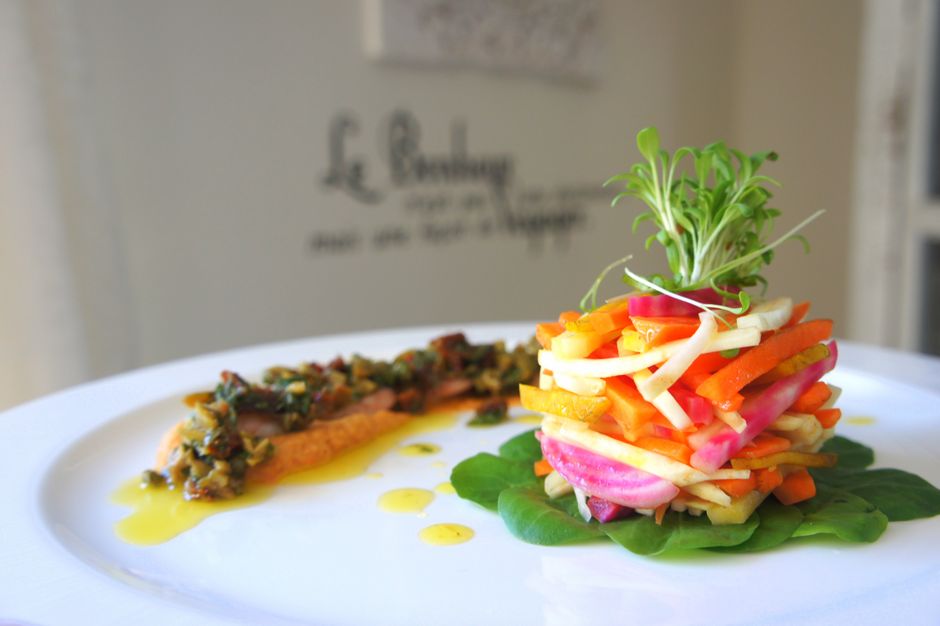
DASH comes up constantly in blood pressure conversations, usually mentioned as if everyone already knows what it means. It stands for Dietary Approaches to Stop Hypertension, and it is one of the more thoroughly studied eating patterns out there, originally developed and tested by the National Institutes of Health. It is worth understanding on its own terms rather than as just a buzzword.
What DASH actually stands for
DASH is not a packaged product or a specific meal plan you buy into. It is an eating pattern: a general shape for what your plate tends to look like across a week, built around vegetables, fruit, whole grains, lean protein, and low-fat dairy, with reduced saturated fat and sodium. The research behind it has consistently shown measurable blood pressure improvements within a few weeks of following the pattern, which is a big part of why it shows up so often in clinical guidance.
The core pattern, not a strict menu
Unlike a diet with a rigid daily menu, DASH is closer to a set of proportions: more plants, more whole foods, less refined sugar, less saturated fat, less sodium. That flexibility is a feature, not a loophole — it means the pattern can flex around cuisines, budgets, and personal taste rather than asking you to eat a specific list of foods every day.
Foods to build meals around
- Vegetables and fruit: aiming for several servings a day, which also brings in potassium, a nutrient that works alongside lower sodium to support healthy blood pressure.
- Whole grains: brown rice, oats, and whole-wheat bread in place of their refined counterparts.
- Lean protein: poultry, fish, beans, and lentils more often than red or processed meat.
- Low-fat dairy: a source of calcium and protein that fits the pattern without adding much saturated fat.
- Nuts, seeds, and legumes: a few servings a week, valued for fiber and unsaturated fat.
Sodium is still part of it
DASH is often discussed alongside a lower sodium target, sometimes as low as 1,500 mg a day in its stricter version, though the standard version targets closer to 2,300 mg. You do not need to hit an exact number to benefit from the overall pattern; the food-quality side of DASH and the sodium side reinforce each other, since whole foods prepared at home are naturally lower in sodium than the packaged and restaurant foods they are replacing.
How much of a difference it makes
The original DASH trials found blood pressure reductions comparable in some participants to what a single blood pressure medication achieves, particularly among people who started with elevated readings. That does not mean DASH replaces medication for everyone — for many people it works alongside a prescribed treatment rather than instead of it — but it is a genuinely large effect for a dietary change, and part of why DASH gets cited as often as it does in clinical guidance rather than being one option among many equally supported patterns.
A simple way to start
Rather than overhauling every meal at once, a realistic starting point is picking one meal a day to rebuild around the DASH proportions: more vegetables, a whole grain, a lean protein, less sauce and salt. Once that one meal feels automatic, add a second. The research behind DASH was done on people eating real meals, not a theoretical ideal, which is exactly why the pattern tends to hold up outside a study setting too.
DASH versus a Mediterranean-style diet
DASH and a Mediterranean-style diet are often mentioned in the same breath, and they overlap considerably: both emphasize vegetables, whole grains, and lean protein over red and processed meat. The main practical difference is emphasis — DASH is more explicit about a sodium target and includes low-fat dairy as a core component, while a Mediterranean pattern leans more heavily on olive oil as the primary fat source and includes moderate fish and legume intake without a specific sodium number attached. In practice, someone eating close to either pattern is eating close to the other, and picking one over the other is less important than picking one and sticking with it.
A combined version, sometimes called the DASH-Mediterranean or MIND diet in research contexts, borrows from both and has been studied specifically for brain health alongside cardiovascular outcomes. For most people managing blood pressure day to day, the specific label matters less than the underlying shape: more plants, less refined food, a deliberate swap of saturated for unsaturated fat, and attention to sodium — whichever name you put on that pattern.
It is worth choosing whichever version of this general pattern is easiest to sustain in your own kitchen and culture, rather than treating "DASH" specifically as the only validated option. The research behind DASH is strong, but the broader family of similar eating patterns shares enough of the same mechanism — more plants, less sodium, better fats — that consistency with any one of them tends to matter more than which exact name is on the plan.