
 Google Play
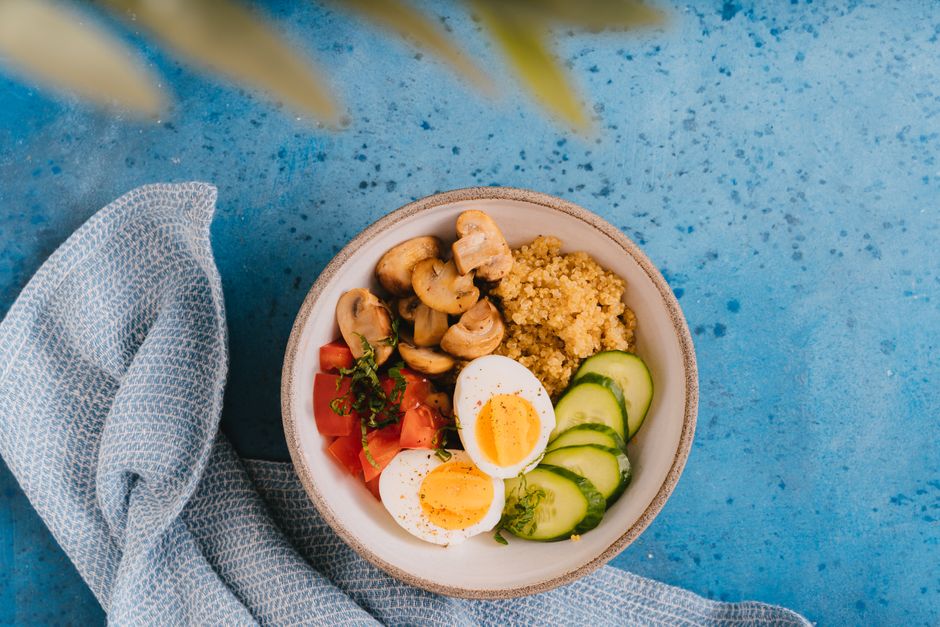
Quinoa and rice sit next to each other in the same aisle and cook in roughly the same way, which makes it easy to treat them as interchangeable. Nutritionally, they are not quite the same category of food, and the gap is worth understanding before defaulting to whichever one is cheaper that week.
Protein and fiber: the biggest gap
Cup for cup, cooked quinoa has roughly twice the protein of white rice and several times the fiber, and it's one of the few plant foods that supplies all nine essential amino acids. Brown rice narrows the fiber gap considerably, but quinoa still comes out ahead on protein.
A technicality worth knowing
Quinoa is technically a seed, not a grain, harvested from a plant related to spinach and beets rather than to wheat or rice. This is more than trivia: it's part of why quinoa carries a more complete amino acid profile than most true grains, and it's why quinoa is naturally gluten-free in a way that isn't a marketing claim but a basic fact of its botany, unlike some processed gluten-free products built from refined starches with little nutritional advantage.
The effect on blood sugar
Quinoa's fiber and protein slow how fast its carbohydrate hits your bloodstream, so it tends to produce a gentler blood sugar rise than white rice, and a slightly gentler one than brown rice too. The difference matters more if you're eating a large portion on its own — pair either grain with protein and vegetables and the gap shrinks.
Minerals quinoa quietly wins on
Beyond protein and fiber, quinoa also carries meaningfully more magnesium and iron than white rice, and somewhat more than brown rice as well — two minerals that are easy to fall short on in a diet not built around meat or leafy greens. Magnesium in particular plays a role in blood pressure and blood sugar regulation, which makes quinoa a reasonable, low-effort way to nudge intake of both minerals up without taking a supplement.
What rice still has going for it
Rice isn't the villain here. It's cheaper, cooks faster, has a milder flavor that pairs with almost anything, and in its white form is easier on digestion for people with certain gut conditions. Brown rice specifically closes most of the fiber gap with quinoa while costing less per serving.
Cooking time and cost
Quinoa cooks in about 15 minutes, similar to white rice and faster than brown rice's 40-plus minutes, which offsets some of its higher price per pound in practical terms — you're not paying more for a slower dinner. Buying it in bulk rather than small boxed portions narrows the price gap with rice considerably, since the packaging markup on quinoa tends to be steeper than the grain itself justifies.
Which one to buy
If you're managing blood sugar or cholesterol and eat grains often, quinoa earns its reputation and is worth the higher price at least some of the time. If cost or simplicity matters more, brown rice gets you most of the same benefit for less — the real downgrade to watch for is white rice eaten in oversized portions with little else on the plate.
A practical middle path many households land on is keeping both in the pantry and choosing based on the meal rather than picking one as a permanent default: quinoa for a grain bowl or salad where its texture and protein carry the dish, rice for a curry or stir-fry where it's meant to be a background starch. Treating them as two tools for different jobs, rather than competitors, tends to be more useful than picking a single winner and sticking with it regardless of what's being cooked.
It's also worth remembering that neither grain needs to carry the entire nutritional weight of a meal on its own. A modest portion of either, paired with a genuinely protein-and-vegetable-forward plate, matters more for blood sugar and overall nutrition than which specific grain fills the smaller supporting role on the plate.
Rinsing either grain before cooking is worth doing as a matter of habit: it removes surface starch that can make the cooked grain gummy, and for rice specifically it also reduces the arsenic content somewhat, an unrelated but genuinely useful side benefit of a step that takes under a minute at the sink. Quinoa in particular carries a bitter natural coating called saponin that rinsing removes, which is part of why unrinsed quinoa sometimes tastes unexpectedly soapy to first-time cooks.
Leftover portions of either grain freeze and reheat well, which makes batch-cooking a reasonable strategy for anyone trying to keep a healthier grain on hand without cooking it fresh every single meal. A large pot made once a week, portioned into the fridge or freezer, removes the daily decision entirely and tends to be the difference between a habit that sticks and one that quietly falls away after a few weeks.