

 Google Play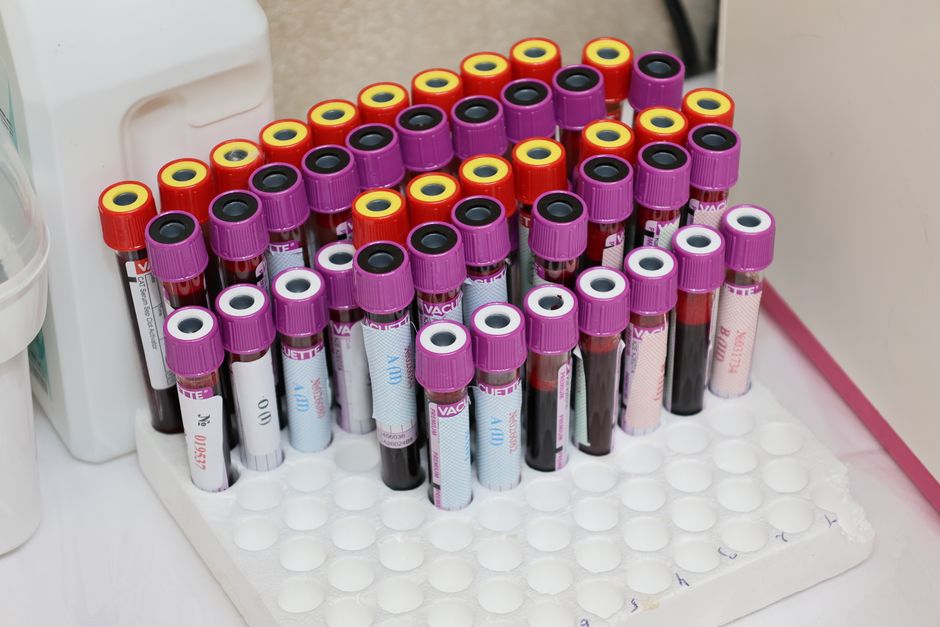
An A1C result comes back as a single number, but it is quietly summarizing something that a daily glucose reading cannot: a rough average of your blood sugar over the past two to three months. Understanding what that number is actually built from makes it a lot less mysterious, and a lot more useful for deciding what to do next.
What A1C actually measures
A1C, sometimes written as HbA1c or glycated hemoglobin, measures the percentage of hemoglobin in your red blood cells that has glucose attached to it. Red blood cells live for roughly two to three months, and glucose sticks to them — a process called glycation — in rough proportion to how much has been circulating in your blood during that time. Rather than a snapshot like a finger-stick reading, A1C works more like a slow-moving average, which is exactly why it does not swing much from one day of eating to the next, and why it can look almost identical on two tests taken a week apart even after a genuinely bad week of eating.
How the test is done and reported
A1C is typically drawn as a standard blood sample and does not require fasting beforehand, which is one practical difference from a fasting glucose test. The result is reported as a percentage — for example, 5.4% or 6.1% — and increasingly also as an "estimated average glucose" figure in mg/dL alongside it, which some people find more intuitive to compare against a home glucometer reading. The American Diabetes Association (ADA) recommends the test be run in a lab certified for the purpose, since less standardized point-of-care versions can vary more than the certified lab version.
Common A1C ranges and what they mean
The ADA's commonly cited reference ranges frame an A1C below 5.7% as within a typical range, 5.7% to 6.4% as the range generally associated with prediabetes, and 6.5% or above on two separate tests as generally consistent with a diabetes diagnosis. Where you land on that scale is a starting point for a conversation, not something to self-diagnose from — a doctor will weigh your age, other health conditions, and how long your blood sugar has been trending this way before deciding what your number actually means for you. Certain conditions, including some forms of anemia and kidney disease, can also skew an A1C result away from what a glucose test would show, which is part of why a doctor may order both in some cases.
How food and lifestyle influence it
Because A1C reflects an average, the biggest influence tends to be the overall pattern of what you eat across weeks and months, not any single meal. Diets higher in refined carbohydrate and added sugar are generally associated with a higher A1C over time, while diets built around fiber-rich vegetables, whole grains, and lean protein are commonly associated with a lower one. Physical activity is a meaningful lever on its own: muscle uses glucose for fuel during and after exercise, which is part of why regular movement is consistently associated with better A1C outcomes independent of weight change. Sleep quality and body weight play a role too, which is part of why two people eating similar diets can still see somewhat different A1C results.
Why A1C can lag behind changes you make
Because A1C is an average built up over roughly three months, it does not respond overnight to a new habit. Someone who overhauls their diet this week will typically not see the full effect on an A1C test until their next one, several months later, since the older red blood cells carrying evidence of the higher-glucose weeks are still in circulation and only gradually get replaced. This lag can be discouraging if you are expecting quick feedback, but it is a normal feature of how the test works, not a sign that a change is not helping.
A1C vs. a daily glucose reading
A1C and a daily glucose reading answer different questions, which is why doctors often use them together rather than picking one over the other. A fasting or post-meal glucose reading tells you what your blood sugar is doing right now, in response to a specific meal or time of day, while A1C tells you what your blood sugar has generally been doing over the last several months. Someone can have a normal-looking glucose reading on the morning of a test and still carry an elevated A1C built up from a pattern of spikes at other times of day that a single reading would never catch, which is one reason relying on A1C alone, or glucose readings alone, each tells an incomplete story.
Tracking food with A1C in mind
Since A1C rewards a sustained pattern rather than a single good day, the most useful habit tends to be a consistent, trackable pattern you can actually keep up for months: noticing added sugar, favoring whole grains over refined ones, and keeping an eye on portion sizes for carbohydrate-heavy foods. Logging meals for even a few weeks can reveal patterns you would not otherwise notice — a habitual afternoon soda, or a larger-than-realized rice portion at dinner — and it gives you and your doctor something concrete to talk about at your next visit, alongside whatever the lab result says.
When to bring it to a doctor
Any A1C result is worth reviewing with a doctor rather than interpreting in isolation, but it is particularly worth a prompt conversation if a result has moved meaningfully from a previous test, if it falls in or above the prediabetes range for the first time, or if you are already being treated for blood sugar and the number is not moving the way you and your doctor expected. Bringing your own notes on diet, activity, and any medication changes since your last test tends to make that conversation far more productive than the number alone.