

 Google Play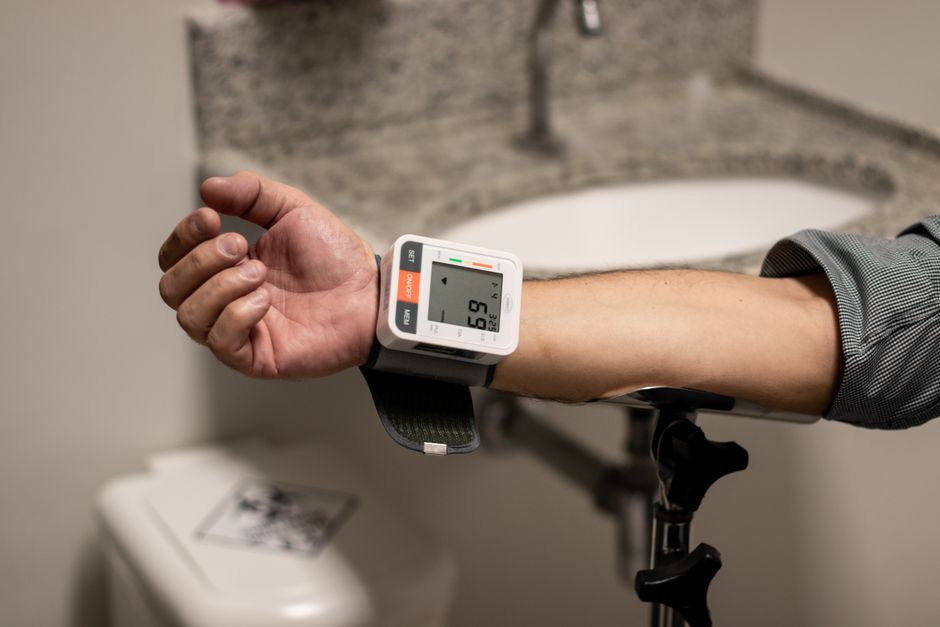
Blood pressure categories give a doctor a shared vocabulary for describing risk, but the bands themselves are worth understanding rather than just memorizing, since where a reading falls shapes the conversation that follows.
What the two numbers represent
A blood pressure reading has two numbers: systolic (the pressure when your heart contracts) over diastolic (the pressure between beats, while your heart relaxes). Both matter, and doctors read them together rather than picking a favorite.
The general categories
Guidelines commonly used by cardiologists group readings into broad bands: normal is under 120/80, elevated is a systolic of 120-129 with diastolic under 80, stage 1 hypertension starts around 130/80, and stage 2 starts around 140/90. These are reference categories a clinician uses alongside your history, not a label to self-apply from a single home reading.
How these categories came about
These specific thresholds come from guidelines developed by cardiology organizations like the American Heart Association and the American College of Cardiology, updated periodically as long-term research clarifies where cardiovascular risk actually begins to rise. A notable revision some years back lowered the threshold for what counts as "elevated" and "stage 1," reflecting research showing that risk starts climbing at levels previously considered unremarkable — which is part of why someone might be surprised to learn a reading they'd have called "fine" a decade ago now falls into a named category.
This kind of revision isn't unique to blood pressure guidelines — reference ranges across medicine get periodically reassessed as longer-term studies accumulate more data, and a category boundary that felt fixed can move meaningfully over a professional lifetime. It's a useful reminder that "normal" is a moving clinical judgment built on the best available evidence at a given time, not an unchanging biological fact.
Hypertensive crisis: why it's different
A hypertensive crisis refers to a reading around 180/120 or higher, and it's treated differently because it calls for prompt medical attention rather than routine monitoring. A reading that high, especially paired with symptoms like chest pain, shortness of breath, or vision changes, is a reason to contact a doctor or seek care right away.
Do the categories apply the same to everyone?
The numeric thresholds themselves are generally applied consistently across adults, but what a doctor recommends once you're in a given category depends heavily on individual factors: age, existing cardiovascular risk, diabetes status, kidney function, and other conditions all shape whether a "stage 1" reading gets managed with lifestyle changes alone or with medication added sooner. Two people with an identical 132/84 reading can reasonably receive different recommendations from their doctors, and that's not an inconsistency — it reflects that the category is one input among several, not the entire basis for a treatment decision.
Children and adolescents use an entirely different reference framework, based on percentiles for age, sex, and height rather than the fixed adult thresholds, since what counts as typical blood pressure in a growing body changes considerably with age in a way it doesn't for adults. This is a reminder that the specific numbers discussed here are an adult framework, not a universal one.
Categories are a starting point, not a verdict
A single number rarely tells the whole story — blood pressure shifts with stress, activity, caffeine, even cuff size, which is why doctors often average several readings over time before deciding what a category means for you. Bring your own readings to your doctor and let them do the interpreting.
What a category actually changes in treatment
In practice, moving from "normal" to "elevated" typically prompts a conversation about diet, activity, and sodium rather than medication. Stage 1 often follows a similar lifestyle-first approach unless additional risk factors are present, while stage 2 more frequently leads to a medication being started alongside lifestyle changes rather than instead of them. These are general patterns rather than fixed rules, and the right next step for your specific reading is a conversation to have directly with your doctor rather than something to infer from a general category description alone.
It's worth knowing that category thresholds are drawn from population-level research studying large groups over years, which is what makes them useful for setting general guidance, but also why they can't perfectly account for any one individual's full risk picture. A doctor weighing your specific category against your family history, other lab values, and how your numbers have trended over time is doing something a static chart alone cannot — which is exactly why the categories exist to start a clinical conversation, not to end one.
If you're tracking readings at home and watching which category your numbers fall into over time, it's worth remembering that a single elevated reading moving you from "normal" to "elevated" for one day isn't the same as a sustained pattern. Doctors are generally looking for a consistent trend across multiple readings, ideally taken under similar conditions, before treating a category shift as clinically meaningful rather than day-to-day noise.