

 Google Play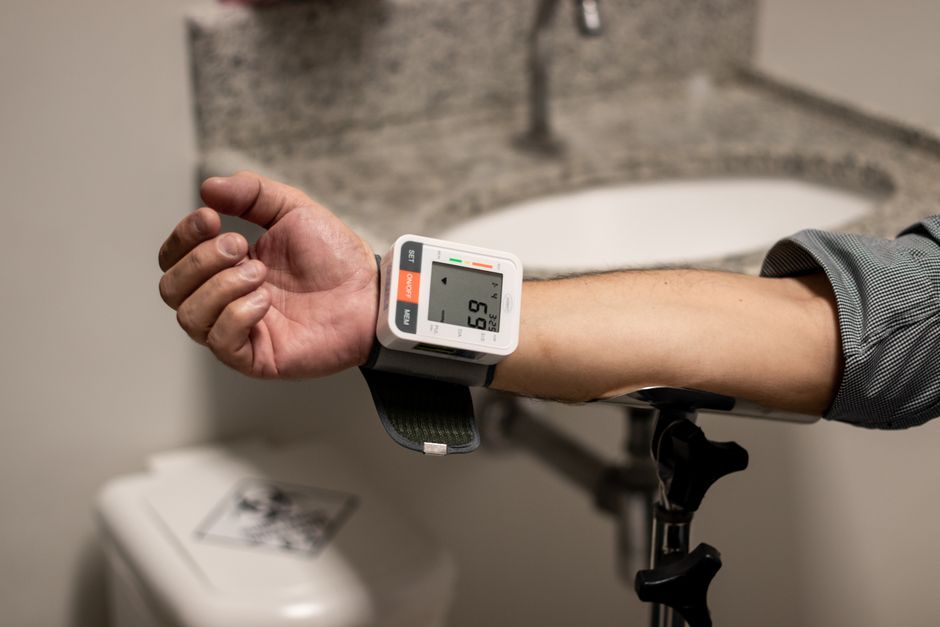
The ketogenic diet's effect on blood pressure gets talked about in fairly dramatic terms, both from people impressed by a fast early drop in their numbers and from those who found the transition rougher than expected. The reality is a fairly well-understood physiological story once you separate the early fluid shift from what happens over the following months.
The fast early drop, and why it happens
Cutting carbs sharply drops insulin levels, and your kidneys respond by releasing more sodium and water. That water loss is real, but it's the main reason blood pressure readings often fall noticeably in the first one to two weeks of keto — it's fluid shifting, not a permanent structural change to your cardiovascular system.
What happens past the first month
Beyond the initial water-weight phase, longer-term blood pressure effects on keto vary by study and by person. Weight loss itself (a common keto side effect) does tend to lower blood pressure over months, somewhat independent of the specific diet used to get there. But keto isn't uniquely powerful here compared to other calorie-controlled eating patterns — the early drop tends to be bigger than the sustained one.
The medication risk worth knowing
The early sodium and fluid loss is exactly why keto and blood pressure medication deserve extra caution. If you're on a diuretic or another blood pressure drug and your numbers fall fast, you can end up over-corrected — lightheaded, dizzy, or with blood pressure that's now too low. This is worth flagging to a doctor before starting, not something to discover mid-week.
"Keto flu" and blood pressure are related
The cluster of symptoms often called "keto flu" — fatigue, headache, irritability, and lightheadedness in the first week or two — overlaps substantially with the symptoms of blood pressure dropping too fast alongside sodium and fluid loss. It's not a coincidence that the timing lines up: replacing some of the sodium lost in this early phase, often by adding a bit more salt to food or drinking a broth-based beverage, is one of the more commonly recommended ways to ease keto flu symptoms specifically because it addresses this underlying fluid shift.
What about cholesterol on keto?
Cholesterol response to keto is more variable than the blood pressure response, and it's worth mentioning here since anyone managing blood pressure often has cholesterol on the radar too. Some people see LDL cholesterol rise on a high-fat ketogenic diet, particularly if the added fat leans heavily saturated, while others see it stay flat or even improve, especially when the diet emphasizes unsaturated fats like olive oil, nuts, and fish over butter and fatty meat. This variability is part of why a lipid panel a few months into a ketogenic diet is a reasonable thing to ask a doctor about, rather than assuming the diet's effect on cholesterol in one direction or the other.
A smaller group of people see a more pronounced LDL increase on keto, sometimes referred to informally as "lean mass hyperresponders," a pattern that isn't fully understood yet but has drawn increasing research attention. If a lipid panel comes back with a larger-than-expected change after starting keto, that's worth a direct conversation with a doctor about whether the diet's fat composition needs adjusting, rather than something to interpret from general articles alone.
A reasonable way to approach it
Track your readings through the transition rather than assuming week-one numbers are the new normal, and loop in whoever manages your prescriptions if you're on blood pressure medication — a quick dose review can prevent an avoidable emergency room visit. Starting the diet under a doctor's awareness, rather than as a surprise they learn about only if something goes wrong, is the single most useful precaution available here, particularly for anyone already being treated for high blood pressure.
A practical routine: check blood pressure daily for the first two weeks rather than the usual weekly or occasional check, note any dizziness or lightheadedness alongside the numbers, and have a specific plan with your doctor for what reading or symptom would prompt a call rather than waiting to see how things go. Most people transitioning onto keto do so without a serious problem, but the group most likely to run into trouble — people already on blood pressure medication — is also the group for whom a few days of extra attention costs very little and meaningfully reduces the risk of an avoidable complication.
It's also worth setting a realistic expectation before starting: the sharp early drop in blood pressure readings is a genuinely common experience on keto, but it reflects fluid balance shifting more than it reflects a lasting improvement in cardiovascular health on its own. Longer-term outcomes depend much more on whether the diet is sustained, what it's built around — whole foods and unsaturated fats versus highly processed "keto" packaged products — and how it affects weight and cholesterol over the following months, not on how dramatic the first two weeks look on a home monitor.