
 Google Play
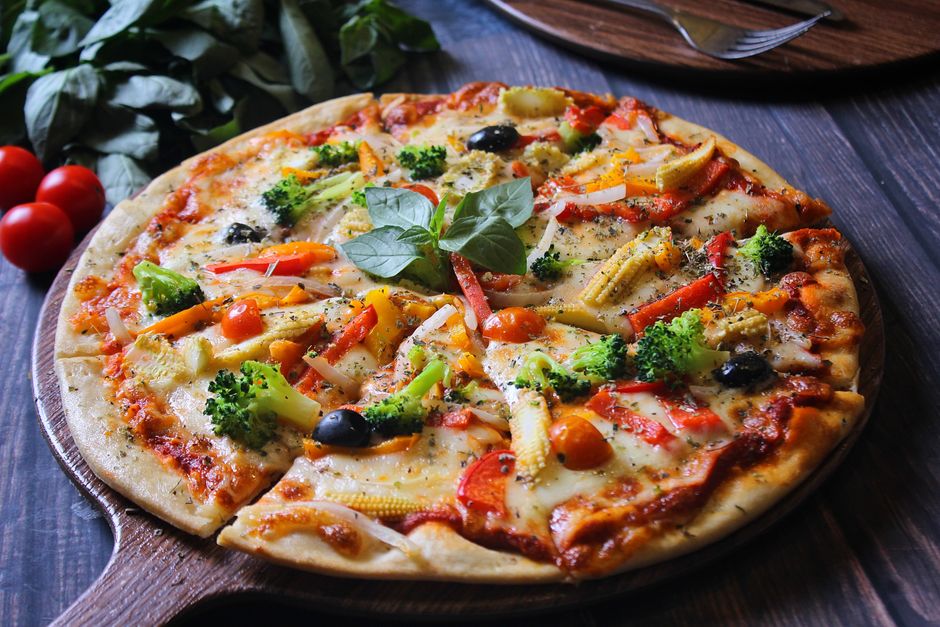
Pizza is one of those meals that people assume they have to give up entirely when they start paying attention to what they eat. That is not the goal here. Pizza can absolutely fit into a balanced way of eating. The trick is knowing which small changes make the biggest difference, so you are not stuck choosing between "no pizza" and "no changes at all."
Why pizza feels tricky
Pizza sits at the intersection of refined carbohydrates, cheese, and salty toppings, which is exactly why it tastes so good and exactly why it can add up quickly in sodium and calories. None of that makes pizza "bad." It just means a few thoughtful swaps go a long way without making the meal feel like a compromise.
Start with crust and portion
The crust is the single biggest lever you can pull. A thin crust or a cauliflower-blend crust meaningfully reduces the refined-carb load compared with a deep-dish or stuffed-crust version. If the crust is non-negotiable for you, portion is the next best lever: pairing two slices with a side salad tends to leave people just as satisfied as three or four slices alone, simply because the salad adds volume and fiber.
Topping swaps that actually taste good
- Swap half the pepperoni for grilled chicken or extra vegetables: you keep protein and flavor while cutting back on processed meat.
- Load up on vegetables that hold up well to heat: peppers, onions, mushrooms, and spinach all add volume without much sodium.
- Ask for toppings to be added with a lighter hand rather than skipping the ones you love: half the usual amount of cheese still tastes like pizza.
Sauce and cheese, without losing flavor
Sauce and cheese are where a lot of sodium hides. A lighter layer of sauce, or a sauce that lists tomatoes near the top of its ingredient list rather than salt, tends to be the better pick. For cheese, part-skim mozzarella gives you the same stretchy, melty texture with less saturated fat than a four-cheese blend.
Ordering out vs. making it at home
Restaurant and delivery pizza is almost always higher in sodium than a version you make yourself, simply because commercial dough and sauce are seasoned for a long shelf life. If pizza night happens weekly, even alternating one homemade pizza for one delivery order can make a real difference over a month. When you do order out, asking for sauce and cheese on the lighter side is a simple request that most kitchens can accommodate.
The takeaway
You do not need a perfect pizza, just a slightly better one. Thinner crust, a few vegetable swaps, and a lighter hand with cheese and sauce can turn a once-in-a-while indulgence into a meal that fits more easily into your everyday goals.