
 Google Play
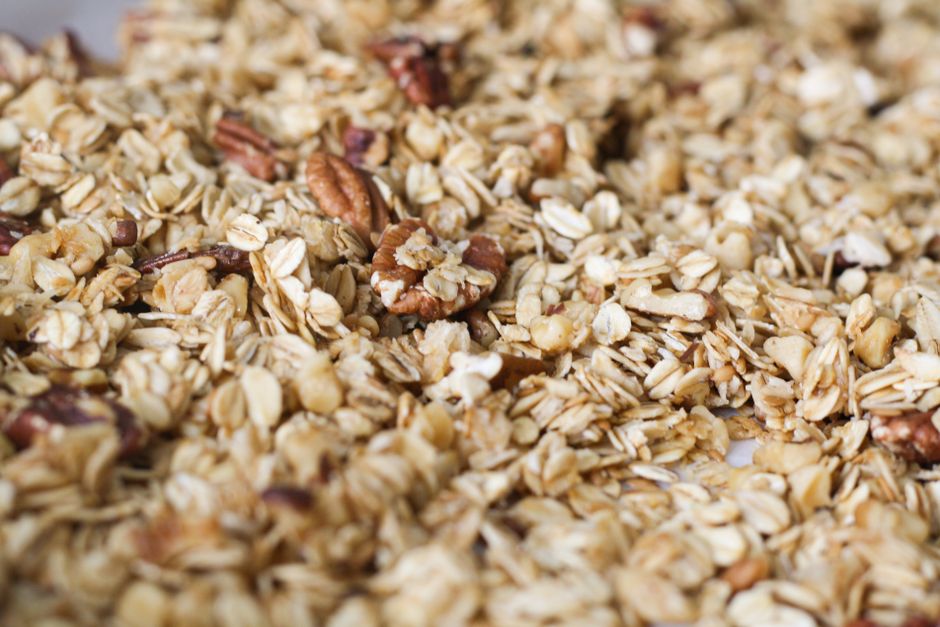
"Eat this to lower your cholesterol" is one of the most common nutrition promises out there, and it is also one of the areas where the evidence is genuinely decent, provided the expectations are realistic. Diet changes tend to produce a meaningful but moderate effect on LDL, generally in the range of a 5-15% reduction, which matters but is not usually a substitute for medication when medication is indicated.
Soluble fiber does a lot of the work
Soluble fiber binds to cholesterol-containing bile acids in the digestive tract and helps carry them out of the body, which prompts the liver to pull more LDL cholesterol out of the bloodstream to make replacement bile acids. Oats, barley, beans, lentils, and psyllium are among the most concentrated sources, and this is one of the more mechanistically well-understood ways diet affects a lipid panel.
Foods that show up in the research again and again
- Oats and barley: consistently associated with LDL reductions in controlled studies, largely due to their beta-glucan fiber content.
- Fatty fish: salmon, sardines, and mackerel are strong sources of omega-3 fats, more associated with lowering triglycerides than LDL directly, but still a core part of a heart-healthy pattern.
- Nuts: a handful a day, particularly walnuts and almonds, is associated with modest LDL improvements in multiple studies, likely from a combination of unsaturated fat and fiber.
- Legumes: beans, chickpeas, and lentils combine soluble fiber with plant protein in a way that displaces some saturated-fat-heavy protein sources.
- Avocados: a good source of unsaturated fat that has shown modest LDL benefits when it replaces saturated fat, rather than simply being added on top of an unchanged diet.
Plant sterols and stanols
Plant sterols and stanols are compounds structurally similar to cholesterol that compete with it for absorption in the gut, and they are naturally present in small amounts in vegetables, nuts, and seeds, though most of the research-backed effect comes from fortified foods like certain margarines and orange juices that add a concentrated dose. Regular intake of around 2 grams a day is associated with LDL reductions in the range of 5-15% in clinical research, an effect that stacks with, rather than replaces, the fiber and fat changes above.
Fats matter as much as what you avoid
The type of fat you eat tends to matter more than obsessively avoiding fat altogether. Replacing saturated fat, found in butter, fatty cuts of red meat, and many baked goods, with unsaturated fat, found in olive oil, nuts, and fish, is one of the most consistently supported dietary changes for improving a lipid panel. This is a substitution, not just an addition — swapping butter for olive oil in cooking tends to matter more than adding olive oil on top of an otherwise unchanged diet.
What doesn't move the needle much
Dietary cholesterol itself, found in foods like eggs and shellfish, has a smaller effect on blood cholesterol for most people than it was once believed to have; saturated and trans fat intake tends to matter more. This does not mean unlimited eggs are automatically fine for everyone, particularly for people who are more sensitive to dietary cholesterol, but it does mean eggs are not the primary lever most people should focus on first.
Building a realistic week
A realistic weekly pattern might include oatmeal a few mornings, fatty fish once or twice, a handful of nuts as a regular snack, and beans or lentils replacing meat in a couple of meals. None of this requires eliminating entire food groups. Consistency over a few months tends to matter far more than any single "superfood" meal, and it is worth pairing dietary changes like these with your doctor's guidance rather than as a replacement for prescribed treatment.
How long it takes to show up on a test
LDL cholesterol tends to respond to sustained dietary change over a period of weeks to a couple of months, since cholesterol synthesis and clearance are ongoing processes rather than something that resets after a single day. Most doctors recommend rechecking a lipid panel about six to twelve weeks after a meaningful diet change, which gives the new pattern enough time to show its real effect rather than testing too early and mistaking normal week-to-week variation for a lack of progress.
It also helps to change one or two things at a time rather than everything at once, purely for your own feedback: if oats, fish, and a statin all start on the same day, a follow-up panel cannot tell you which change did the work, or how much room is left if you wanted to adjust course. Staggering changes by a few weeks, where that is practical, gives you a clearer read on what is actually moving your own numbers.
None of the individual foods on this list needs to be eaten daily to matter. A pattern where oats show up most mornings, fish shows up once or twice a week, and nuts replace a less useful snack most days tends to produce the research-backed effect without requiring a rigid, unvarying routine that is harder to sustain over the months this actually takes to show up on a test.